Intravenous therapy impacts the vast majority of admitted hospital patients. It serves as the primary delivery method for life-saving medications, hydration, and blood products. Yet, many still view the physical equipment facilitating this process as a simple, interchangeable commodity. This is a dangerous misconception. Faulty or substandard equipment puts patient lives at risk daily. It turns a routine procedure into a critical liability.
Today's hospital procurement teams face a relentless struggle. How do you balance increasingly tight operational budgets with uncompromising medical safety standards? All while navigating global supply chain disruptions? Choosing the right medical consumables is no longer just a purchasing task. It is a fundamental pillar of clinical risk management. Here is a practical, engineering-focused breakdown of how to navigate these complexities and select the safest, most cost-effective intravenous delivery systems for your facility.
Key Takeaways
Patient Safety First: Sourcing a high-quality sterile infusion set prevents bacterial contamination, reduces healthcare-associated infections (HAIs), and ensures precise medication delivery.
Understand Clinical Nuances: Different hospital wards require highly specific equipment. Neonatal care strictly mandates specialized volume-control sets to prevent fluid overload.
Material Composition Matters: Opting for DEHP-free and latex-free materials is rapidly transitioning from a clinical preference to a mandatory regulatory standard worldwide.
Evaluate the Source: Partnering with a vetted manufacturer that boasts proven ISO 13485/CE certifications and transparent quality control protocols is just as vital as the product's physical specifications.
Total Cost of Ownership (TCO): Smart hospital procurement requires balancing upfront unit costs against the expensive realities of clinical errors, medication waste, and mechanical failures.
Shaping the Future: Current Trends in IV Consumable Procurement
The landscape of medical device procurement is shifting rapidly. Recent market analyses highlight a definitive move away from cost-centric purchasing models toward value-based clinical outcomes. What does this mean for supply chain managers?
First, regulatory bodies globally are tightening restrictions on material safety. The transition away from legacy PVC products plasticized with DEHP is accelerating. Hospitals are increasingly mandating DEHP-free or entirely PVC-free materials to protect vulnerable patient populations from endocrine disruptors. Furthermore, as hospitals upgrade their infrastructure, the integration of smart infusion pumps requires highly specific, tolerance-tested tubing to prevent false occlusion alarms. Finally, institutions are prioritizing supply chain resilience. Instead of relying on fragmented brokers, hospitals are partnering directly with vertically integrated manufacturers to secure stable inventory buffers against global logistical shocks.
Core Inventory: Matching the Right Set to the Clinical Application
A hospital's patient demographic is incredibly diverse. Therefore, a one-size-fits-all approach to intravenous therapy simply does not exist. Procurement teams must build a versatile inventory that caters to general wards, intensive care units, pediatrics, and specialized outpatient clinics.
To simplify the selection process, we have mapped out the core configurations required for a standard hospital deployment:
IV Set Type
Drop Factor
Primary Clinical Application
Critical Engineering Specs
Standard Gravity Set
20 drops/ml
General wards, routine hydration, adult fluid resuscitation.
0.22-micron (bacteria) or 1.2-micron (lipids) inline membrane.
Standard Gravity IV Sets
This is the workhorse of hospital consumables. When sourcing a standard IV infusion set, you are primarily looking at macro-drip configurations (typically delivering 20 drops per milliliter). They are engineered for rapid volume infusion, making them the standard choice for trauma centers and surgical recovery wards. In contrast, micro-drip sets deliver exactly 60 drops per milliliter. This provides the slower, highly precise fluid delivery required for sensitive treatments.
Burette Infusion Sets (Pediatric & Critical Care)
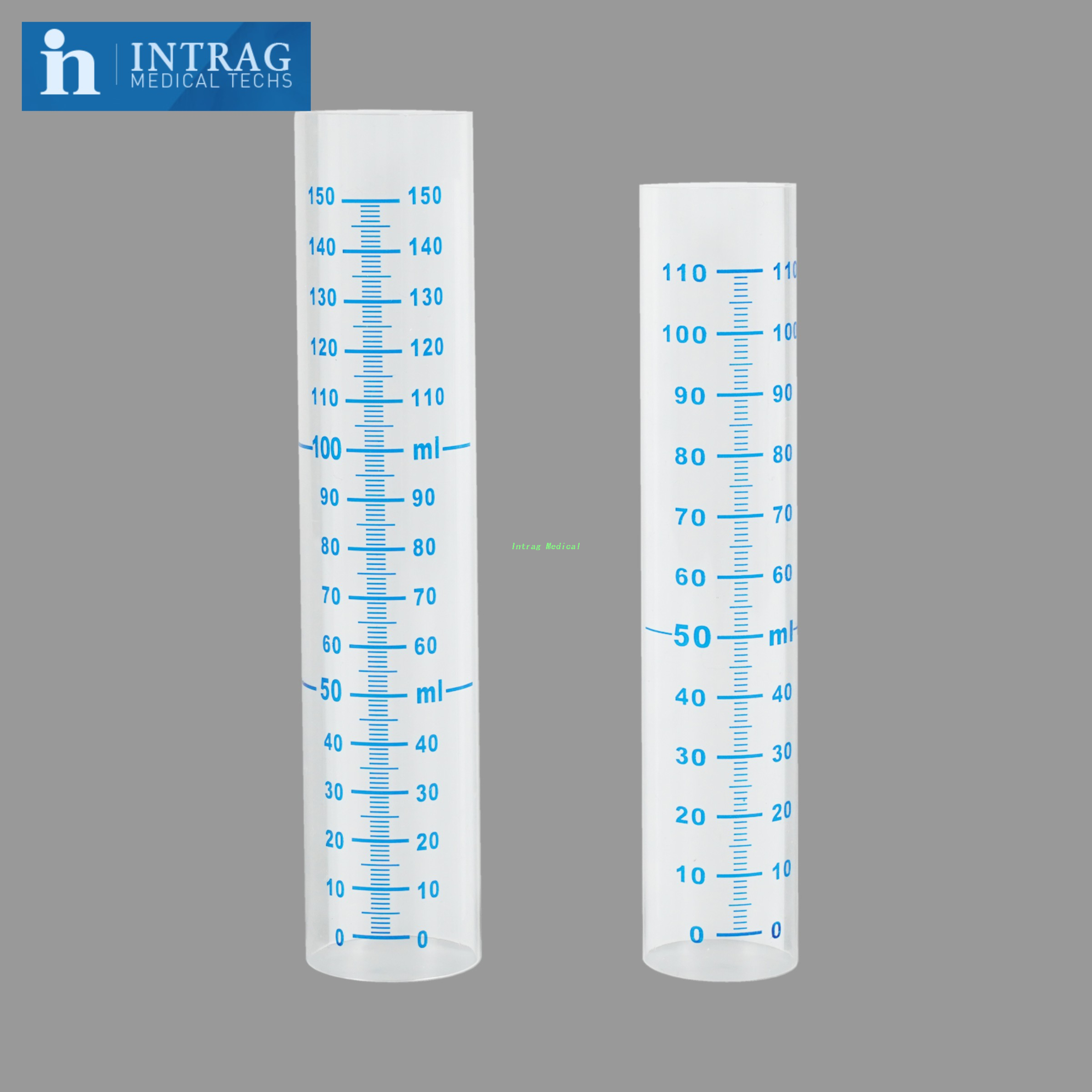
Infants and critically ill patients with compromised renal function cannot tolerate large volumes of intravenous fluids. To address this, the burette infusion set features a calibrated, rigid plastic cylinder situated below the bag spike. This chamber typically holds 100ml or 150ml of fluid. Nurses fill this cylinder with a specific medication dose and clamp off the primary bag. This mechanical barrier ensures that even if a lower clamp fails, the patient receives only the limited volume inside the cylinder, completely eliminating the catastrophic risk of accidental fluid overload.
Precision Filter and Light-Resistant Sets
High-risk medications like total parenteral nutrition (TPN) carry a high propensity for particulate contamination. Precision filter sets equipped with a 0.22-micron filter block bacteria, air bubbles, and microscopic particulates. Additionally, many oncology drugs are highly photosensitive. Light-resistant sets utilize opaque or amber-tinted tubing to shield the fluid from UV degradation before it reaches the patient's vein.
Component Tear-Down: An Engineer’s Perspective on Quality
Stop looking just at the spec sheet. You need to understand the micro-anatomy of a hospital infusion set. Evaluating the technical specifications of individual components ensures your facility avoids low-tier products that fail under clinical stress.
The Spike and Drip Chamber
The spike must be manufactured from medical-grade ABS plastic. It needs to be exceptionally sharp. A poorly molded spike causes "coring"—a dangerous phenomenon where the blunt plastic cuts a small piece of the rubber stopper, pushing it into the fluid bag and creating an immediate contamination hazard. Below the spike, look for a highly transparent, moderately flexible drip chamber. It should typically house a 15µm fluid filter at its base to catch larger undissolved particles.
Tubing Flexibility and Material
Tubing must strike a delicate balance. If it kinks easily, it stops gravity flow entirely. Standard configurations usually feature a tube length of 150cm to 180cm. Beyond physical durability, scrutinize the chemical composition. As mentioned earlier, hospitals are rapidly prioritizing DEHP-free PVC or Polyurethane (PU) tubing. This prevents toxic plasticizers from leaching into lipophilic medications.
Flow Regulators (Roller Clamps)
The roller clamp is the primary manual control mechanism. Typically made of PE (Polyethylene) or ABS, it must offer smooth, incremental resistance. If a clamp is too loose, the flow rate surges. If it is too rigid, nurses cannot make precise micro-adjustments. High-quality clamps compress the tubing evenly without causing structural damage over prolonged use.
Connectors and Injection Sites
Always prioritize Luer Lock connectors over traditional friction-based Luer Slip designs. A standard ABS Luer Lock with a protective cap screws securely onto the patient's catheter. This prevents accidental disconnections and expensive medication leaks. For secondary push medications, modern sets feature Y-injection sites. Opt for needle-free injection valves (often utilizing a silicone septum) to eliminate the risk of needle-stick injuries among healthcare workers.
Validating Sterility and Regulatory Compliance
When sourcing invasive medical consumables, regulatory compliance is your ultimate bottom-of-funnel filter. A product may boast excellent physical components, but without rigorous validation of its sterility, it cannot ethically enter a clinical environment.
The vast majority of disposable intravenous devices are sterilized using Ethylene Oxide (EO) gas. EO gas penetrates the blister packaging (usually medical-grade dialysis paper backed with a poly-film), neutralizing all bacteria, viruses, and spores. Procurement officers must request the manufacturer's sterility test reports and EO residual data.
Furthermore, independently verify the manufacturer's credentials. Essential certifications include:
ISO 13485: The international gold standard for quality management systems in medical device manufacturing.
CE Marking / FDA 510(k): Indicates full compliance with regional health and safety directives.
Latex-Free and Pyrogen-Free Guarantees: Pyrogens are microscopic bacterial endotoxins that survive standard sterilization. If introduced into a bloodstream, they cause severe fever spikes. Clear labeling confirming non-pyrogenic status is non-negotiable.
Cost vs. Quality: Balancing Your Procurement Budget
Hospital procurement is inherently constrained by tight financial margins. However, choosing medical devices based solely on the lowest unit price is a fundamentally flawed strategy. You must evaluate the Total Cost of Ownership (TCO).
Purchasing unverified equipment leads to compounding hidden costs. Consider a brittle Luer lock that cracks under pressure, leaking an expensive targeted oncology medication onto the floor. The financial loss of that single wasted drug far exceeds the pennies saved on cheaper tubing. Frequent tubing kinks require continuous nursing interventions to silence alarms, driving up labor costs. To achieve true cost-efficiency, leverage strategic bulk purchasing. Accurate forecasting based on hospital admission data allows you to negotiate better volume discounts with reliable manufacturers while establishing staggered delivery schedules.
Evaluating Your Manufacturing Partner
A high-quality device is only as reliable as the supply chain that delivers it. You must assess potential partners based on their manufacturing capabilities, quality assurance transparency, and long-term stability.
Ask the hard questions: Can the vendor handle large volume orders consistently? Do they own their manufacturing facilities, or are they merely third-party distributors? Suppliers with robust, vertically integrated manufacturing capabilities are far less susceptible to raw material shortages. They implement automated flow rate testing, pneumatic leak testing on connectors, and continuous biological monitoring of their sterilization chambers.
Actionable Next Step: Securing a resilient supply chain requires partnering with proven industry leaders. For hospitals looking to source premium, certified intravenous therapy products, exploring the comprehensive catalog of a trusted infusion set supplier is highly recommended. By aligning with manufacturers focused specifically on infusion and transfusion equipment, you guarantee superior product reliability, regulatory compliance, and unmatched clinical support. Audit your current inventory today, consult your clinical teams, and upgrade your procurement standards to protect both your budget and your patients.
FAQ (Frequently Asked Questions)
What is the difference between a macro-drip and a micro-drip IV infusion set?
The primary difference lies in the drop factor, which dictates how many drops of fluid equal one milliliter (ml). A macro-drip set typically delivers fluid at a rate of 10, 15, or 20 drops per ml. These sets feature a wider tube in the drip chamber and are utilized for rapid fluid resuscitation and routine hydration in adult patients. Conversely, a micro-drip set delivers exactly 60 drops per ml. It features a small, needle-like orifice in the drip chamber, allowing for highly precise, slow-rate infusions, making it ideal for pediatric care and sensitive medications.
Why should our hospital switch to DEHP-free disposable infusion sets?
DEHP is a chemical plasticizer traditionally added to PVC to make the tubing flexible. However, clinical studies demonstrate that DEHP can leach out of the plastic and into the intravenous fluid, especially when administering fat-soluble drugs or total parenteral nutrition. DEHP is a known endocrine disruptor and poses significant developmental risks to neonates and pregnant women. Switching to DEHP-free alternatives mitigates these toxicological risks.
What is a burette infusion set used for?
This specialized device is equipped with a calibrated, rigid cylindrical chamber (the burette) situated between the fluid bag and the drip chamber, typically holding 100ml to 150ml of fluid. Its primary function is to act as a mechanical fail-safe against accidental fluid overload or medication toxicity. By clamping the line above the burette, nurses ensure that only the specific volume contained within the chamber is delivered to the patient.
How long is the shelf life of a sterile infusion set?
Under optimal storage conditions, the standard shelf life is typically between three to five years from the date of manufacture. These devices are predominantly sterilized using Ethylene Oxide (EO) gas. To maintain the stated shelf life, hospitals must store these consumables in a climate-controlled warehouse that is cool, dry, well-ventilated, and protected from direct sunlight. Strict First-In, First-Out (FIFO) inventory practices must be enforced.
What should I look for when auditing an infusion set supplier?
Auditing a supplier requires a thorough examination of their quality management systems. First, the facility must hold an active ISO 13485 certification. You should request documentation verifying that production occurs in certified cleanrooms (ISO Class 8 or better). Furthermore, verify the presence of CE marks or FDA clearances, and evaluate their supply chain transparency by asking for batch testing reports regarding sterility and pyrogen levels.
How often should an IV infusion set be changed?
Clinical guidelines generally recommend changing standard continuous IV tubing every 72 to 96 hours to minimize the risk of catheter-related bloodstream infections. However, specialized sets used for total parenteral nutrition (TPN), lipid emulsions, or blood transfusions must be changed much more frequently—typically every 24 hours—due to the higher risk of rapid bacterial growth in these nutrient-rich fluids.
What causes an IV pump occlusion alarm, and how does tubing quality affect it?
An occlusion alarm triggers when the infusion pump detects abnormal resistance or a blockage in the fluid line. While this can be caused by a positional IV catheter in the patient's vein, it is frequently caused by low-quality tubing. If the PVC tubing is too thin or lacks proper elasticity, it will easily kink when the patient moves or when routed through the pump's mechanical fingers. High-grade, kink-resistant tubing maintains its internal diameter under pressure, drastically reducing false occlusion alarms and saving nursing time.
Providing "High Quality Products, Excellent Service, Competitive Prices and Prompt Delivery", we are now looking forward to have greater and further cooperation with customers all over the world, based on mutual benefits.