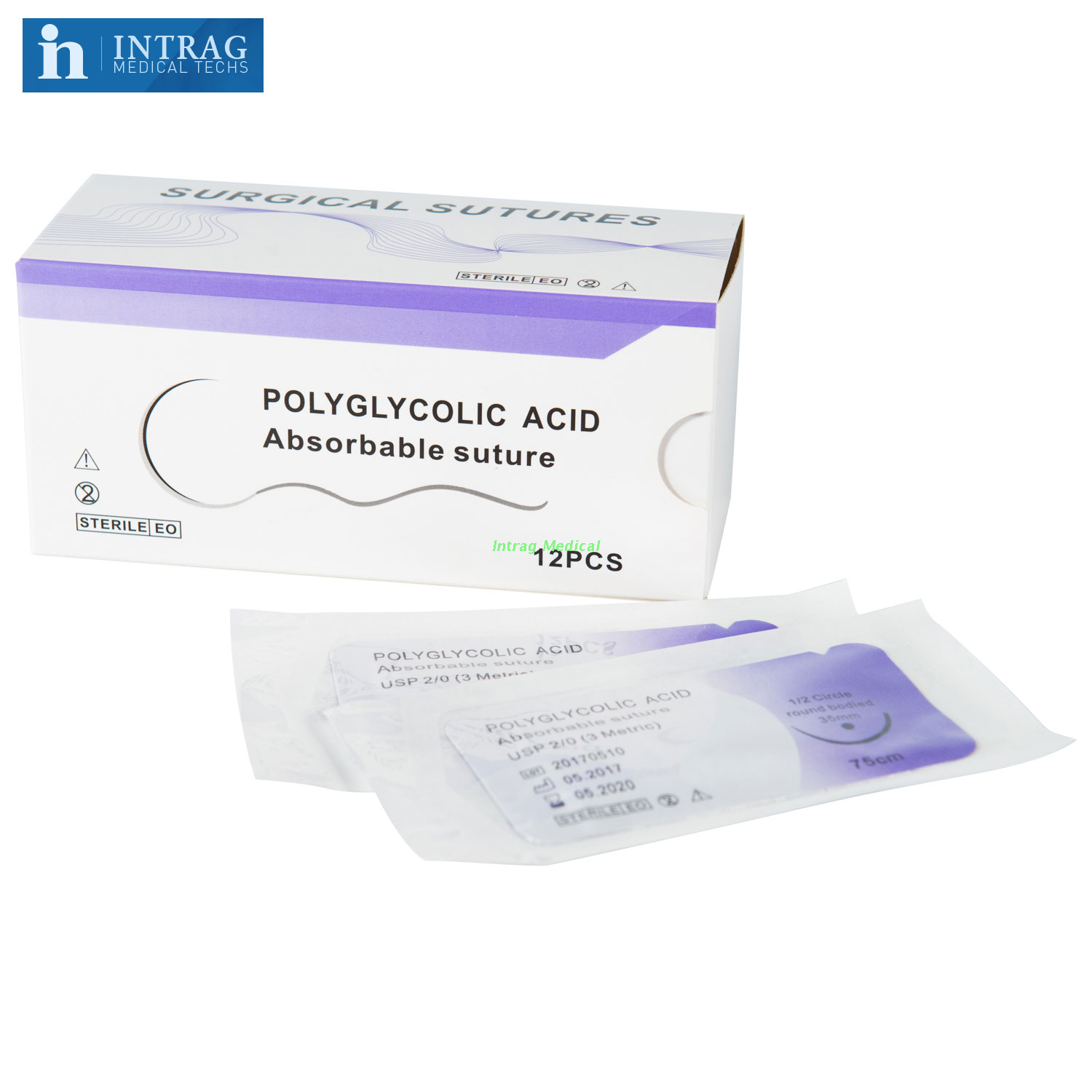
The success of any operative procedure hinges on the integrity of the final wound closure. For hospitals, ambulatory surgical centers (ASCs), and specialty clinics, procuring the right medical supplies is far more than a logistical task—it is a critical clinical responsibility. At the core of effective tissue management are surgical sutures. These highly engineered medical threads are meticulously utilized to approximate severed tissues, facilitating hemostasis and providing mechanical support during the crucial phases of cellular repair.
Today, medical supply chain professionals face a daunting inventory challenge. The global market is saturated with distinct polymers, varying filament geometries, and countless proprietary coatings. Narrowing down the optimal product portfolio requires a deep understanding of material science. The most fundamental decision a procurement team must navigate is the split between absorbable and non-absorbable threads. This technical guide breaks down the clinical mechanics, analyzes specific material parameters, and outlines the actionable procurement criteria needed to drive cost-effective, clinically sound purchasing decisions.
Key Takeaways for Procurement Teams
Functional Distinction: Absorbable threads are engineered to degrade within the body over a precise timeline, eliminating secondary removal procedures. In contrast, non-absorbable variants maintain permanent tensile strength for lifelong tissue support or require manual extraction for surface closures.
Material Specifications: Synthetic absorbables like Polyglycolic Acid (PGA) and Polyglactin 910 offer predictable hydrolytic breakdown. Non-absorbables such as Polypropylene and Nylon remain the gold standard for cardiovascular anastomoses and exterior epidermal repairs.
Strategic Sourcing: Supply chain evaluations must move beyond unit price. Buyers need to assess tensile strength retention days, tissue reactivity profiles, and packaging integrity (e.g., aluminum foil pouches for moisture sensitivity).
Quality Assurance: Partnering with a vetted manufacturing facility ensures regulatory compliance (ISO 13485, CE, FDA) and resilient logistics during unpredictable demand surges.
Understanding Surgical Sutures: The Baseline for Buyers
The Clinical Mechanics of Wound Closure
Picture the high-stress environment of a level-one trauma bay or a high-throughput orthopedic suite. In these settings, wound closure devices are frontline tools. Their primary job is tissue approximation—bringing wound edges into perfect alignment so the body's natural healing mechanisms can bridge the gap. Maintaining a highly reliable, diverse inventory is non-negotiable. A delicate ophthalmic micro-surgery requires vastly different physical properties (such as a USP 10-0 gauge) compared to a heavy-duty abdominal fascia closure (USP 1 or 2).
Classification and Structural Geometry
To navigate product catalogs effectively, buyers must grasp how these devices are categorized. First is the material origin: natural (like silk or catgut) versus synthetic polymers. Synthetic options dominate modern procurement due to their consistent performance. Second is the physical structure. Monofilament threads consist of a single, smooth extrusion that minimizes tissue drag and bacterial adherence. Multifilament (braided) threads weave multiple strands together, offering superior pliability and unmatched knot security. Ultimately, the most critical division remains their degradation profile.
What is an Absorbable Suture? (Material Science & Clinical Fit)
The Mechanism of Degradation
An absorbable suture is designed to provide temporary mechanical support. It holds the tissue just long enough for the wound to regain sufficient intrinsic strength. Once this critical healing threshold is met, the material breaks down. Modern synthetics achieve this through hydrolysis—a process where bodily fluids gradually penetrate the polymer matrix, cleaving the chemical bonds. This hydrolytic action is highly predictable and triggers significantly less inflammatory tissue reaction compared to the enzymatic digestion required to break down traditional natural materials.
Key Synthetic Absorbable Polymers
When optimizing internal wound closure inventory, buyers will predominantly focus on synthetic absorbables. Matching the specific polymer to the surgical department's needs is essential:
Polyglycolic Acid: A standard PGA suture is a braided synthetic workhorse. Engineering specifications typically show it retaining roughly 65% of its initial tensile strength at 14 days post-implantation. Complete mass absorption occurs reliably between 60 to 90 days. This makes it a highly cost-effective choice for general subcutaneous closures.
Polyglactin 910: Widely recognized in operating rooms, a Vicryl suture is heavily coated (often with polyglactin 370 and calcium stearate) to drastically reduce the tissue drag typically associated with braided threads. It provides robust mid-term support and is a staple for gastrointestinal anastomoses and gynecological procedures.
Extended vs. Rapid Healing: Polydioxanone (PDS) is a monofilament that maintains strength for up to six weeks, ideal for slow-healing tissue like fascia. Conversely, rapid-absorbing variants are tailored for fast-healing mucosal layers, dissolving in just 7 to 14 days.
What is a Non-Absorbable Suture? (Material Science & Clinical Fit)
The Function of Permanent Threads
From a biochemical standpoint, a non absorbable suture is manufactured from polymers that actively resist the body's hydrolytic and enzymatic activity. Their primary clinical mandate is to maintain structural integrity indefinitely. These robust threads remain steadfast until a clinician manually removes them from a healed surface wound, or they are left permanently embedded inside the patient to support tissues that will never fully regain their original anatomical strength.
Core Non-Absorbable Materials
Procurement catalogs feature several distinct non-absorbable options, each serving a specific surgical niche. Silk, despite being a natural braided material that elicits a mild tissue reaction, is still utilized for its unparalleled handling and knot security. Nylon is a synthetic polymer celebrated for its high elasticity and memory, making it a staple on emergency room laceration carts. Polypropylene (often known as Prolene) is an exceptionally smooth synthetic monofilament. It is biologically inert, glides through tissue with zero drag, and resists degradation even in the presence of severe bacterial infections.
Target Clinical Applications
Specifically, non-absorbable threads are the undisputed choice for exterior skin closures, typically removed 7 to 14 days post-op. Internally, their role is highly specialized. They form the mechanical backbone of cardiovascular surgeries (such as delicate vessel anastomoses), orthopedic ligament repairs, and complex neurosurgical dural closures—environments where permanent mechanical failure is catastrophic.
Absorbable vs Non-Absorbable Sutures: A Head-to-Head Comparison
The most critical differentiator for medical buyers is matching the thread's tensile strength retention to the target tissue's biological healing rate. For instance, a fast-healing oral mucous membrane only requires the temporary support of a rapid-dissolving thread. In stark contrast, a recovering Achilles tendon requires the unyielding, permanent strength of a heavy-gauge Polypropylene thread to prevent postoperative rupture.
Infection Control and Tissue Reactivity
Any foreign body implanted into human tissue triggers an immune response. Absorbables generally provoke a slightly higher inflammatory reaction as the immune system clears the polymer fragments. Furthermore, physical geometry plays a massive role in infection control. Braided multifilaments harbor microscopic crevices that can trap bacteria. For high-risk procedures, smooth monofilament non-absorbables offer the lowest Surgical Site Infection (SSI) risk profile.
Total Cost of Care Analysis
Smart procurement extends beyond the invoice price. While a standard non-absorbable Nylon thread may have a lower upfront unit cost, using it for outpatient surface closures requires the patient to return for stitch removal. This consumes clinical time, occupies examination rooms, and utilizes additional sterile supplies. Consequently, investing slightly more in rapid-absorbing alternatives often yields a lower total cost of care for high-volume ambulatory centers.
Industry Trends: The Future of Wound Closure Procurement
The global wound closure market is undergoing a significant paradigm shift. Driven by an aging population and a surge in elective procedures, the demand for high-performance surgical consumables is at an all-time high. Medical buyers must stay ahead of these technical trends to optimize their facility's outcomes.
Furthermore, the industry is aggressively pivoting toward advanced infection-prevention capabilities. Surgical Site Infections (SSIs) remain a devastating clinical and financial burden. To combat this, top-tier manufacturers are coating synthetic absorbables with antimicrobial agents like Triclosan. Clinical data heavily supports that these active coatings inhibit bacterial colonization directly on the suture line. Forward-thinking procurement teams are increasingly transitioning their high-risk surgical inventory to these antimicrobial options, as the dramatic reduction in SSI-related readmission costs easily offsets the higher initial purchase price.
Key Factors Medical Buyers Must Evaluate When Sourcing
Regulatory Certifications and Quality Control
Sourcing implantable medical devices carries immense legal liability. Buyers must rigorously verify that products meet stringent international standards. Facility compliance with ISO 13485 is the absolute baseline. Beyond that, the specific products must carry appropriate regional clearances, such as FDA 510(k) approval or CE marking. Procuring uncertified grey-market products exposes facilities to catastrophic patient safety risks.
Shelf Life and Packaging Integrity
Supply chain managers must respect the chemical vulnerabilities of these polymers. Because synthetic absorbables are designed to break down via hydrolysis, they are hyper-sensitive to ambient humidity in hospital storage rooms. Consequently, they must be packaged in hermetically sealed, medical-grade aluminum foil pouches. They typically carry a shorter shelf life (3 to 5 years). Implementing a strict First-In, First-Out (FIFO) inventory system is vital to prevent thousands of dollars in expired stock.
Needle Geometry and Customization
The thread is only half of the device; the attached surgical needle is equally critical. Sourcing from a vendor that offers extensive combinations of needle geometries—such as taper point for delicate viscera, conventional cutting for tough skin, and reverse cutting for ophthalmic use—is essential. Buyers should consolidate their purchasing with manufacturers capable of delivering a comprehensive catalog, reducing administrative overhead and streamlining logistics.
How to Choose the Right Surgical Supplier
A hospital's operating room schedule cannot afford to pause for supply chain bottlenecks. Therefore, vetting a surgical suture supplier requires a deep dive into their manufacturing capacity, factory automation, and logistical resilience. Procurement teams must partner with manufacturers who maintain robust safety stock levels and guarantee rapid lead times, even during global supply chain disruptions.
In addition, modern buyers should leverage vetted B2B medical platforms to streamline sourcing. These digital ecosystems allow supply chain teams to compare technical specifications side-by-side, audit regulatory documents, and negotiate factory-direct bulk pricing efficiently.
Conclusion
Ultimately, the strategic choice between absorbable and non-absorbable surgical threads directly impacts patient healing trajectories, postoperative comfort, and the facility's financial bottom line. By mastering the clinical nuances—understanding why a rapidly dissolving PGA thread is perfect for internal fascia, while a sturdy Polypropylene monofilament is mandatory for vascular repair—medical buyers can build a highly optimized, cost-effective inventory.
We highly encourage healthcare administrators to conduct a comprehensive audit of their current wound closure supplies. Assess your specific departmental needs, calculate the true total cost of care, and align with a globally certified manufacturing partner. For medical buyers looking to upgrade their inventory with reliable, precision-engineered wound closure devices, explore the comprehensive catalog at Medintrag to find the exact specifications and regulatory-compliant products your surgical teams demand.
FAQ (Frequently Asked Questions)
How long does an absorbable suture take to dissolve?
The dissolution timeline depends heavily on the specific polymer chemistry. Fast-absorbing variants designed for superficial mucous membranes may degrade entirely in 7 to 14 days. Standard synthetic absorbables (like PGA or Polyglactin 910) used in general surgery typically lose their functional tensile strength within 2 to 4 weeks, with complete mass absorption taking between 60 to 90 days.
Is a Vicryl suture absorbable or non-absorbable?
It is absorbable. Scientifically referred to as Polyglactin 910, it is a synthetic, braided, and coated absorbable thread. It is one of the most widely utilized materials globally for soft tissue approximation due to its highly predictable hydrolytic absorption profile and excellent handling characteristics.
What happens if a non-absorbable suture is accidentally left in the body?
If a non-absorbable thread meant for exterior removal is accidentally left under the skin, the body will treat it as a foreign object. This typically results in a localized inflammatory response, potentially forming a small, benign fibrous nodule (granuloma) around the thread. While usually not life-threatening, it can cause localized discomfort and may require a minor outpatient procedure to extract.
How do surgeons decide between monofilament and multifilament sutures?
Surgeons weigh handling versus infection risk. Multifilament (braided) threads offer superior pliability, ease of handling, and excellent knot security, making them great for deep tissue ties. However, their braided structure can harbor bacteria. Monofilament (single-strand) threads glide smoothly through tissue with minimal trauma and offer a much lower infection risk, making them the preferred choice for vascular surgery and exterior skin closures.
Can non-absorbable sutures be left in the body permanently on purpose?
Yes, absolutely. While patients commonly associate them with temporary surface stitches, they play a critical role internally. In high-stress procedures such as cardiovascular bypasses, hernia mesh fixations, or orthopedic tendon repairs, they remain permanently embedded to provide lifelong mechanical support to tissues that will never fully heal on their own.
What is the main difference between PGA and Vicryl sutures?
Both are highly effective synthetic, braided, absorbable materials. The primary difference lies in their chemical composition: PGA is manufactured from pure Polyglycolic Acid, while Vicryl is a copolymer of glycolide and lactide (Polyglactin 910). They share very similar tensile strength retention and degradation timelines. The choice often comes down to surgeon preference regarding handling feel and the specific proprietary coatings applied to reduce tissue drag.
What should I look for in a surgical suture supplier?
Medical buyers should prioritize suppliers that enforce uncompromising quality control, evidenced by up-to-date ISO 13485 certifications, CE marks, and FDA facility registrations. Ensure the vendor utilizes robust, moisture-proof aluminum packaging for absorbable inventory. Finally, look for competitive bulk pricing, reliable safety stock to prevent backorders, and a diverse catalog covering all needle geometries and USP gauges required by your surgical staff.
Providing "High Quality Products, Excellent Service, Competitive Prices and Prompt Delivery", we are now looking forward to have greater and further cooperation with customers all over the world, based on mutual benefits.