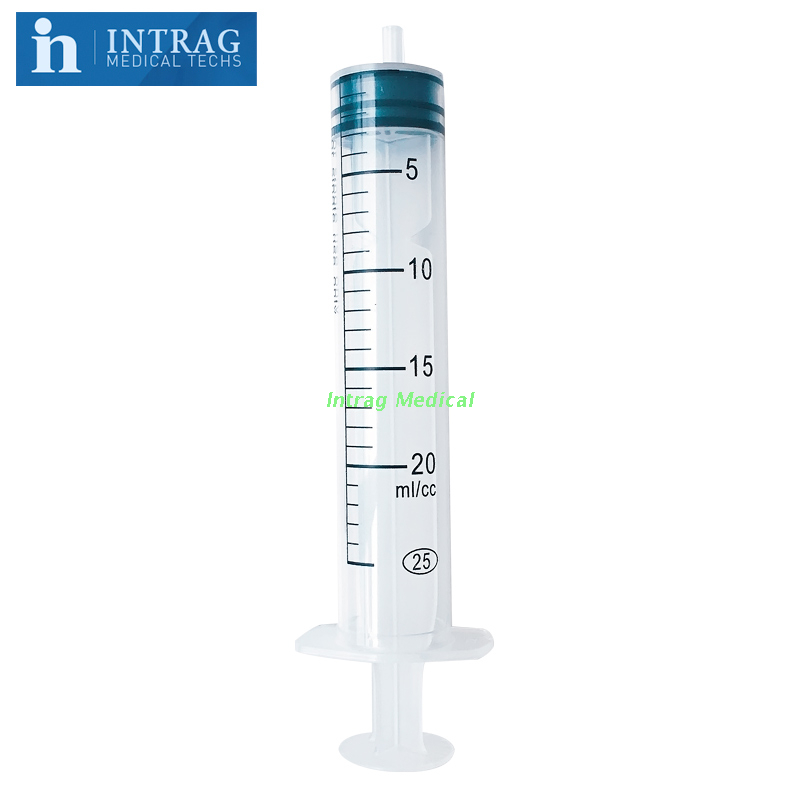
Poor procurement decisions in high-volume medical consumables carry hidden clinical and operational risks. Healthcare facilities consume millions of syringes annually. Selecting a substandard supplier often leads to dosage inaccuracies, plunger malfunctions, and severe supply chain bottlenecks. Procurement teams face the complex challenge of balancing strict regulatory compliance and patient safety with reliable delivery schedules. Relying solely on unit metrics creates unacceptable vulnerabilities on the clinical floor.
This guide provides a systematic framework for evaluating manufacturer capabilities, product specifications, and quality control processes. You will learn how to assess material science, audit cleanroom standards, and structure pilot testing protocols. Implementing these criteria ensures your facility secures a reliable, compliant supply of every disposable syringe needed for critical patient care.
Key Takeaways
Compliance is a Baseline, Not a Differentiator: Verifiable ISO 13485, CE marks, and FDA 510(k) clearances are mandatory; true supplier quality is proven through batch-to-batch consistency and low Acceptable Quality Level (AQL) defect rates.
Material and Design Dictate Clinical Outcomes: Hypodermic needle quality (bevel sharpness, surface smoothness, lubrication) and syringe barrel clarity directly impact patient comfort and dosage accuracy.
Supply Chain Resilience is Critical: Evaluating a manufacturer's cleanroom standards, sterilization capacity, and lead-time predictability is essential for mitigating procurement risks.
Comprehensive Value Exceeds Unit Price: Factoring in defect rates, usability issues, customer service responsiveness, and potential liability provides a more accurate financial assessment than initial purchase price.
Defining Success Criteria for Disposable Syringe Procurement
Clinical Efficacy and Patient Safety
When evaluating a Disposable Syringe, procurement teams must establish strict baseline requirements for mechanical performance. The barrel must be optically clear to allow clinical staff to identify air bubbles or particulate matter in the medication instantly. The printed scale must comply with ISO 7886-1 standards for graduation accuracy, ensuring the ink is indelible and highly contrasting against clear fluids. Any deviation in these markings compromises medication administration, particularly for high-alert drugs like insulin or pediatric dosages.
Plunger actuation mechanics directly affect injection control. Manufacturers must engineer the exact "break loose force" required to start the plunger moving and the "glide force" required to keep it moving. If the break loose force is too high, the clinician may apply excessive pressure, resulting in a rapid, uncontrolled injection. Inconsistent glide force causes a stuttering motion that increases tissue trauma. Furthermore, low dead space designs are mandatory for expensive biologics, ensuring minimal medication remains trapped in the hub after the plunger bottoms out.
Supply Chain Stability and Lead Time Predictability
Medical facilities cannot operate without a continuous, uninterrupted supply of injection devices. Supply chain stability requires evaluating a manufacturer's raw material buffer stock. Polypropylene resin and synthetic polyisoprene are subject to global market fluctuations. A reliable manufacturer holds at least 30 to 60 days of raw material inventory to insulate their production lines from sudden resin shortages or shipping delays.
Machine redundancy is another critical factor. If a factory relies on a single sterilization chamber and it goes offline for maintenance, their entire output stops. Ask potential suppliers for historical data on their on-time delivery rates and their total monthly production capacity. You need a partner capable of absorbing sudden spikes in demand, such as during a severe influenza season, without compromising their quality control standards or extending lead times.
Regulatory Compliance and Liability Mitigation
Navigating the regulatory landscape requires independent verification of all supplier documentation. Adherence to local and international medical device regulations is non-negotiable. For global distribution, manufacturers must demonstrate compliance with ISO 13485 standards, which govern quality management systems specifically for medical devices. In the United States, active FDA 510(k) clearance is required, while the European market mandates adherence to the Medical Device Regulation (MDR) for CE marking.
Liability mitigation depends entirely on traceability. Every batch of syringes must carry clear lot numbers linked to specific raw material batches, injection molding shifts, sterilization runs, and quality inspection reports. Request sample documentation of their Corrective and Preventive Action (CAPA) processes. A manufacturer's ability to swiftly identify, isolate, and resolve production anomalies protects your organization from prolonged recalls and associated legal liabilities.
Categorizing Injection Products and Application-Specific Requirements
Syringe Volume Capacities and Use Cases
Selecting the appropriate barrel size is fundamental to clinical success. Procurement teams must match volume capacities to specific diagnostic and therapeutic needs. The 1ml syringes are engineered for extreme precision. They are primarily utilized for tuberculin testing, allergy injections, and insulin administration, where micro-dosing accuracy is required. These smaller volumes demand the tightest manufacturing tolerances to ensure the plunger seal prevents any fluid bypass under pressure.
Standard injections, including routine vaccinations and intramuscular antibiotics, typically utilize 3ml to 5ml capacities. These represent the highest volume of consumables in most healthcare settings. Larger capacities, ranging from 10ml to 50ml and above, serve entirely different clinical functions. These are deployed for intravenous push medications, wound irrigation, enteral feeding, or integration with automated continuous infusion pumps. Larger barrels must withstand higher internal pressures without the plunger gasket failing or the barrel warping.
Table: Syringe Volume Applications and Manufacturing Tolerances
Volume Capacity
Primary Clinical Application
Critical Manufacturing Tolerance
Typical Connection Type
1ml
Insulin, Tuberculin, Allergy Testing
Zero dead space, micro-dosing accuracy
Staked needle or Luer slip
3ml - 5ml
Intramuscular Vaccines, Routine Injections
Smooth glide force, clear graduations
Luer lock or Luer slip
10ml - 20ml
Intravenous Push Medications, Blood Draw
High pressure resistance, secure thread depth
Luer lock
50ml+
Wound Irrigation, Enteral Feeding, Pumps
Barrel rigidity, gasket vacuum seal integrity
Catheter tip or Luer lock
Standard vs. Safety-Engineered Syringes
The transition toward safety-engineered devices represents a major shift in medical procurement, driven by occupational health regulations like the Needlestick Safety and Prevention Act. Safety syringes incorporate features designed to prevent accidental needle-stick injuries among healthcare workers. These mechanisms generally fall into two categories: active shielding mechanisms that require the clinician to snap a cover over the needle, and passive retractable mechanisms that automatically pull the needle into the barrel when the plunger bottoms out.
Evaluating these options requires analyzing workflow impact. Safety mechanisms must be intuitive and operable with one hand. If a safety feature requires a complex activation process, clinical staff may bypass it entirely. Furthermore, the activation of the safety mechanism must not cause splatter or aerosolization of bloodborne pathogens. While standard syringes remain viable for automated pharmacy compounding, frontline clinical settings mandate safety-engineered variants to protect staff.
Evaluating Hypodermic Needle Specifications
The needle is the primary point of patient contact, making its exact specifications critical to the overall injection experience. You must match the gauge, length, and bevel design to the intended clinical application. Intramuscular injections require longer, thicker needles (e.g., 21G to 23G) to penetrate deep tissue, while subcutaneous injections utilize shorter, finer gauges (e.g., 25G to 27G). The cannula is typically manufactured from SUS304 medical-grade stainless steel to prevent bending or breaking during insertion.
Bevel design determines the initial cutting action through the skin. A precision 3-bevel grind reduces the penetration force required, minimizing tissue tearing. Surface smoothness is equally vital. Manufacturers must apply a highly controlled layer of medical-grade silicone lubrication to the hypodermic needle. Dip coating provides a uniform layer, whereas uneven spray coating can leave dry spots on the steel. Proper lubrication ensures a smooth glide path during both insertion and withdrawal, maximizing patient comfort.
Compatibility with Related Consumables
Syringes rarely operate in isolation. Ensuring exact integration with existing equipment prevents clinical delays and hazardous leaks. The connection tip must adhere strictly to ISO 80369-7 standards for Luer connectors, which mandate a precise 6% taper. Luer slip designs rely on a friction fit and are suitable for low-pressure applications like simple venipuncture or subcutaneous injections.
Luer lock designs feature an internally threaded collar that securely twists onto mating devices. This secure connection is mandatory when administering thick, viscous medications or when connecting the syringe to an IV catheter. If the injection mold for the Luer lock is worn out, the plastic threads will be shallow, causing the connection to pop off under pressure. Procurement teams must physically test sample syringes with their current inventory of infusion sets and vial adapters to verify dimensional compatibility.
Core Evaluation Dimensions for Disposable Syringe Manufacturers
Manufacturer Industry Experience and Specialization
A supplier's historical track record provides the most reliable indicator of future performance. Assess the number of years the manufacturer has been actively operating in the medical device sector. General plastic molding companies often attempt to enter the medical market, but they frequently lack the specialized knowledge required for life-saving devices. Medical molders understand cavity pressure monitoring and scientific molding principles.
Evaluate their specific experience in manufacturing a comprehensive range of injection products. A specialized manufacturer understands the nuanced physics of fluid dynamics, the chemical compatibility of various medications with plastic polymers, and the rigorous demands of clinical environments. They will have established, mature supply chains for medical-grade raw materials and a workforce trained specifically in medical device assembly protocols.
Raw Material Sourcing and Biocompatibility
The integrity of a syringe begins with its raw materials. You must audit the specific polymers and elastomers used in production. The barrel and plunger rod are typically injection-molded from medical-grade polypropylene. This material must remain chemically inert to prevent leaching when exposed to aggressive pharmaceuticals. Inferior plastics can cloud over time or react with medications, altering the drug's efficacy.
The plunger gasket requires equal scrutiny. Modern medical standards demand latex-free synthetic rubber, such as polyisoprene, to eliminate the risk of severe allergic reactions in patients. Biocompatibility testing, adhering to ISO 10993 standards, must be documented for every material that contacts the fluid path. This includes testing for cytotoxicity (Part 5) and sensitization (Part 10) to ensure the rubber piston does not leach vulcanizing agents into the drug.
Precision Manufacturing and Cleanroom Standards
The physical construction of a syringe relies on microscopic tolerances. Evaluate the manufacturer's injection molding capabilities. The molds must be maintained meticulously to prevent flash, which is excess plastic that seeps out of the mold seams. Flash on a syringe tip prevents a secure Luer connection, while flash inside the barrel destroys the gasket seal. Automated assembly lines minimize human handling, significantly reducing the risk of bioburden contamination.
Environmental control is paramount. Medical syringes must be manufactured and assembled in certified cleanroom environments, typically ISO Class 7 or Class 8. These controlled environments utilize HEPA filtration and positive air pressure to strictly limit airborne particulate matter. Injection molding machines inside the cleanroom should be all-electric to avoid the risk of hydraulic oil aerosolization. Audit the manufacturer's cleanroom protocols, including gowning procedures and regular microbial testing.
Sterilization Processes and Packaging Integrity
Sterilization is the final step before a product reaches the hospital floor. Compare the manufacturer's chosen sterilization methods. Ethylene Oxide (EO) gas is highly effective for penetrating complex plastic assemblies, as it alkylates the DNA of microbes. However, it requires strict aeration protocols, sometimes taking up to 14 days, to ensure residual toxic gas levels fall below safe thresholds. Gamma radiation breaks DNA bonds instantly and leaves no residue, but it can cause certain polypropylene formulations to turn yellow and become brittle.
The sterile barrier must remain intact from the factory to the point of use. Assess the durability of the blister packaging. The medical-grade paper or Tyvek must allow sterilant gases to penetrate while blocking microbial ingress. The plastic film must resist punctures from the enclosed needle and withstand the rigors of global shipping. Weak adhesive seals on the blister pack will peel open during transit, rendering the entire unit unsterile.
Quality Control and Batch Consistency
Consistent quality requires automated, relentless inspection. Review the manufacturer's in-process testing protocols. Top-tier facilities do not rely solely on manual end-of-line inspections. They integrate automated visual inspection systems utilizing high-speed cameras to check every single unit for missing graduations, bent needles, or misaligned gaskets. These systems reject defective units instantly without slowing production.
Historical Acceptable Quality Level (AQL) performance provides hard data on batch consistency. AQL defines the maximum number of defective units allowed in a sample size before the entire batch is rejected, based on ISO 2859-1 sampling plans. For critical medical devices, the AQL must be exceptionally low, typically 1.5 for major defects and 0.65 for critical defects. Request access to their quality control logs to verify strict AQL adherence.
Value-Influencing Factors and Conceptual Trade-offs
Unit Cost vs. Defect Rates
Procurement must look beyond the initial invoice. Analyzing the financial impact of product failures provides a true picture of a supplier's value. A fraction of a cent saved on unit cost is instantly negated by a high defect rate. Consider the operational disruption of a leaking syringe. The expensive biologic medication is lost, the procedure is delayed, and the clinical staff must spend time cleaning the spill and documenting the failure.
Furthermore, defective products increase medical waste disposal burdens. If a needle detaches during use, it creates an immediate biohazard and potential injury risk. Choosing a supplier with a marginally higher unit cost but a near-zero defect rate ultimately preserves hospital resources, protects staff, and ensures uninterrupted patient care. The true value lies in absolute operational reliability.
Off-the-Shelf vs. OEM/Custom Manufacturing
Buyers must weigh the speed of standard product procurement against the strategic advantages of customized solutions. Off-the-shelf syringes offer rapid deployment and standardized specifications, making them ideal for immediate stock replenishment. They require minimal lead time and leverage the manufacturer's existing economies of scale.
Original Equipment Manufacturer (OEM) services provide distinct operational advantages. Custom manufacturing allows healthcare networks to specify precise volume capacities, integrate proprietary safety shielding, or apply custom branding and color-coded plungers. For example, specifying purple plungers for enteral feeding syringes prevents accidental misconnections with intravenous lines. While OEM projects require longer initial lead times for mold creation, they result in a product perfectly tailored to a facility's unique clinical protocols.
Domestic vs. International Sourcing
Geographic sourcing strategies involve significant trade-offs. International sourcing often provides access to massive manufacturing hubs with highly competitive production capabilities. These facilities can scale production rapidly to meet global demand. However, buyers must factor in the volatility of ocean freight, which can add 30 to 40 days of transit time, potential import tariffs, and port congestion delays.
Domestic sourcing shortens the supply chain dramatically. It reduces transit times, lowers carbon footprints, and simplifies the auditing process. Communication is generally more straightforward, and domestic suppliers are inherently aligned with local regulatory bodies. Many robust procurement strategies utilize a hybrid approach, maintaining a primary international supplier for high-volume stock while securing a domestic backup for emergency fulfillment.
Customer Service and Post-Sale Support
The relationship with a manufacturer does not end when the shipment arrives. Post-sale support is a critical component of supplier value. Factor in the supplier's responsiveness to inquiries and their technical support availability. If a clinical team reports an anomaly with a specific batch, the manufacturer must provide immediate, data-driven answers regarding production variables.
Clear protocols for handling defective batches are essential. A reliable manufacturer will utilize the 8D problem-solving methodology for CAPA reports, conduct root-cause analyses on returned samples, and expedite replacement shipments. Suppliers who view customer service as a collaborative partnership rather than a transactional obligation significantly reduce the administrative burden on your procurement team.
Implementation Risks and Mitigation Strategies
Auditing Manufacturer Certifications
Fraudulent or expired certifications pose a severe risk to medical procurement. You must implement step-by-step processes for independently verifying all documentation. Never accept a PDF certificate at face value. Follow these specific auditing steps:
Request the ISO 13485 certificate and verify the registrar's accreditation status on the official IAF CertSearch database.
Search the FDA Establishment Registration database using the manufacturer's registration number to confirm active legal standing.
Request and review the last three FDA establishment inspection reports or Notified Body audit summaries to identify recurring non-conformances.
Audit the manufacturer's incoming raw material inspection logs for medical-grade polypropylene and stainless steel lots.
Conduct a live virtual tour or physical inspection of the cleanroom environment and automated assembly lines.
Managing Supply Chain Disruptions
Global supply chains are inherently vulnerable to disruptions ranging from raw material shortages to geopolitical instability. Relying on a single factory for all injection products is a high-risk strategy. Develop dual-sourcing strategies by splitting your volume 70/30 between two qualified suppliers located in different geographic regions.
Negotiate strict Service Level Agreements (SLAs) during contract formation. These agreements must clearly define acceptable lead times, minimum inventory holding requirements at the supplier's warehouse, and financial penalties for delayed shipments. A well-structured SLA forces the manufacturer to prioritize your orders and maintain adequate safety stock to absorb unforeseen production hiccups.
Conducting Pilot Testing and Clinical Feedback Loops
Desktop evaluations cannot replace real-world clinical testing. Before committing to high-volume contracts, structure comprehensive sample evaluations. Distribute blind samples to frontline healthcare workers across different departments, from the emergency room to the pharmacy compounding lab. Ask them to assess usability, plunger smoothness, graduation clarity, and needle sharpness.
Create a standardized evaluation matrix to capture quantitative data on their experience. If the clinical staff reports that a Luer lock feels cross-threaded or a safety mechanism is difficult to engage, halt the procurement process immediately. Integrating clinical feedback loops ensures that the final purchasing decision aligns perfectly with the ergonomic and functional needs of the end-users.
Conclusion
Request detailed product specification sheets and ISO 10993 biocompatibility reports from your top three manufacturing candidates.
Initiate a structured sample audit by distributing devices to key clinical stakeholders for hands-on evaluation of plunger glide force and needle sharpness.
Schedule a physical facility inspection to verify ISO Class 7 or 8 cleanroom standards and automated visual inspection capabilities firsthand.
Cross-reference all provided ISO 13485 and FDA 510(k) certificates with independent regulatory databases to confirm current legal standing.
FAQ
Q: What is the standard Acceptable Quality Level (AQL) for medical syringes?
A: The standard AQL for medical syringes typically ranges from 1.0 to 1.5 for major defects, such as fluid leakage or missing graduations. Critical defects, including compromised sterility or detached needles, require a stricter AQL of 0.65 or lower. Lower AQL numbers indicate tighter quality control and fewer allowable defects per production batch.
Q: How do safety-engineered syringes impact overall procurement outcomes?
A: While safety-engineered models carry a higher initial unit price, they significantly improve procurement outcomes by preventing needle-stick injuries. This reduction in workplace accidents lowers liability risks, decreases staff downtime, and ensures compliance with occupational safety regulations, ultimately providing strong operational value.
Q: What specific certifications must a reliable hypodermic needle manufacturer hold?
A: A reliable manufacturer must hold ISO 13485 certification for medical device quality management. Depending on the target market, they also require FDA 510(k) clearance for distribution in the United States, or a valid CE mark issued by a Notified Body for the European market.
Q: How does the chosen sterilization method affect the shelf life of injection products?
A: Both Ethylene Oxide (EO) gas and Gamma radiation effectively sterilize products, typically providing a shelf life of 3 to 5 years. The actual shelf life is determined by the durability of the blister packaging and its ability to maintain the sterile barrier over time, rather than the sterilization method itself.
Q: Can a single manufacturer reliably provide integrated solutions for both syringes and IV catheters?
A: Yes, highly specialized medical device manufacturers often produce both. Sourcing from a single, integrated manufacturer ensures perfect dimensional compatibility between the syringe's Luer lock and the catheter hub, reducing the risk of leaks and simplifying supply chain management.
Q: What are the most common manufacturing defects to look for during a syringe sample audit?
A: Key defects include plastic flash on the Luer tip, misaligned or easily smudged printed graduations, excessive silicone oil pooling inside the barrel, and a loose or stuttering plunger gasket that fails to maintain a proper vacuum seal during aspiration.
Providing "High Quality Products, Excellent Service, Competitive Prices and Prompt Delivery", we are now looking forward to have greater and further cooperation with customers all over the world, based on mutual benefits.