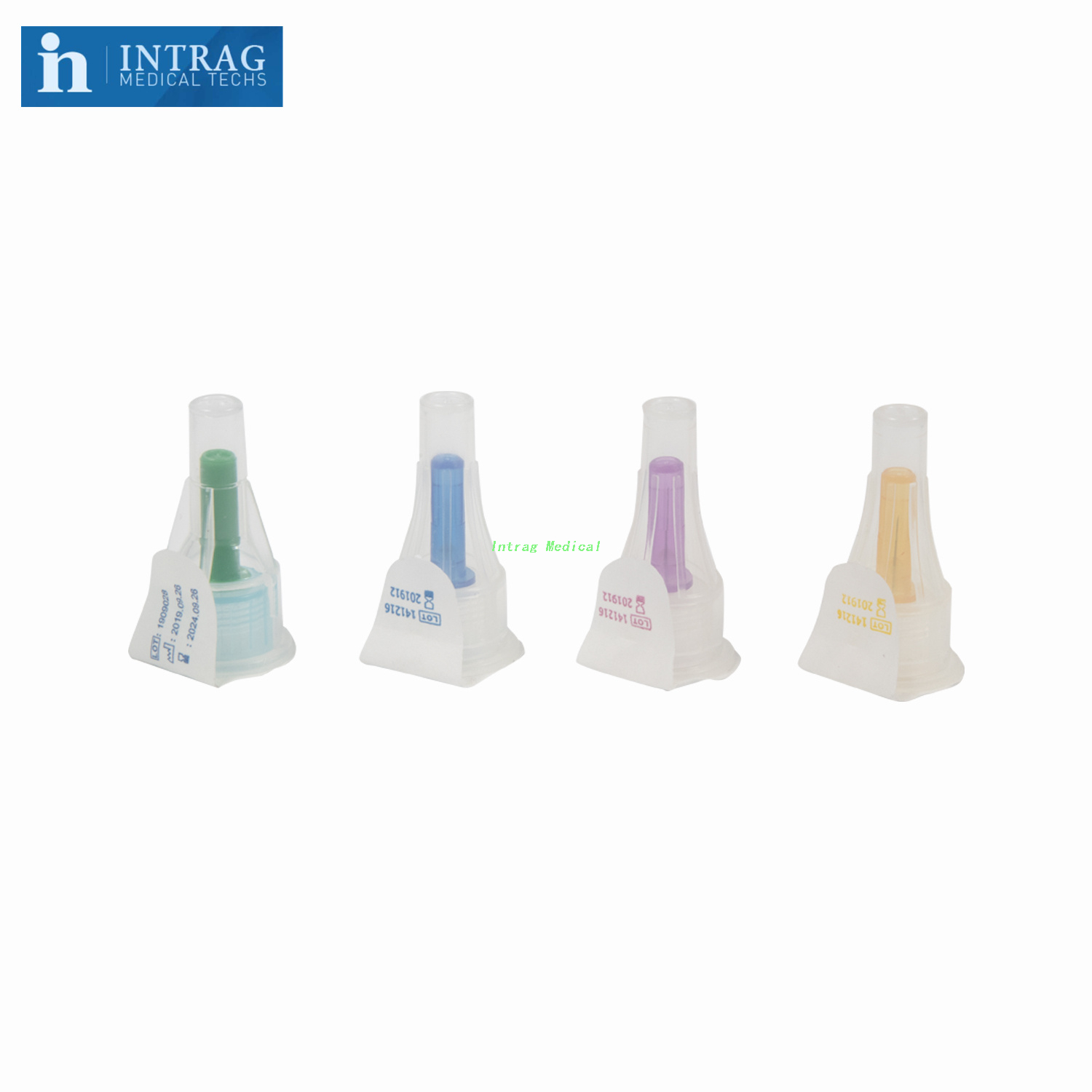
Achieving precise, consistent insulin absorption requires careful technique. Small adjustments in your routine can dramatically improve daily comfort while minimizing tissue trauma. Transitioning to or optimizing your injection regimen demands a strict standard operating procedure (SOP). This structured approach ensures both safety and clinical efficacy. Improper technique compromises your overall glycemic control. It also increases the risk of lipohypertrophy, which causes fatty lumps under the skin. Furthermore, poor hygiene practices often lead to localized infections.
You need reliable methods to manage these risks effectively. We will explore how to establish a safe environment for your daily regimen. You will discover practical ways to select the correct gauge and length. We will also detail how to execute a painless injection. Finally, you will learn how to avoid common usage errors. Following these steps helps you maintain healthy tissue and accurate dosing over time.
Key Takeaways
Size Matters: 4mm and 5mm pen needles are the current clinical standard for most adults, ensuring insulin reaches subcutaneous tissue without hitting muscle.
Single-Use Only: Reusing an insulin pen needle degrades the microscopic silicone coating, leading to pain, bent tips, and inaccurate dosing.
The 10-Second Rule: Holding the needle in place for a full 10 seconds post-injection prevents medication leakage.
Compliance in Disposal: Immediate removal and strict adherence to FDA-cleared sharps disposal protocols are mandatory for household safety.
The Role of the Insulin Pen Needle in Effective Diabetes Management
Many individuals struggle to adhere to daily injection schedules. Fear of pain frequently causes injection anxiety. Missed doses often follow this hesitation. Patients may skip crucial injections simply because they expect discomfort. Addressing this adherence problem requires a shift in both equipment and technique. Modern injection devices significantly reduce this psychological barrier.
You must define clear success criteria for injection therapy. Successful usage means painless or minimal discomfort delivery. It also requires highly accurate dosing. Finally, you must achieve zero medication leakage during the process. Meeting these criteria ensures you absorb the intended dose fully. This consistency keeps blood glucose levels stable.
Traditional vial-and-syringe methods present several structural challenges. They require manual drawing, which introduces human error. The Insulin Pen Needle system offers distinct structural advantages over these older methods. Pre-filled pens deliver medication with exact dial-up accuracy. Furthermore, modern micro-gauge technology minimizes skin trauma. These integrated systems simplify the process. They allow you to administer doses quickly and confidently in various settings.
Evaluating and Selecting the Right Insulin Pen Needle Size and Gauge
Understanding Gauge and Length
Selecting the correct size involves understanding two distinct measurements. Gauge refers to the thickness of the metal. Higher numbers indicate thinner needles. For example, 31G and 32G models are extremely thin. These higher gauges translate directly to less insertion pain.
Length determines how deep the medication goes. Current clinical standards favor 4mm and 5mm lengths. These shorter options target subcutaneous tissue perfectly. Older 8mm and 12mm versions carry a much higher risk of intramuscular injection. Injecting into muscle causes unpredictable absorption rates. It also hurts significantly more.
Comparison of Common Needle Sizes
Length (mm)
Gauge (G)
Clinical Application
Risk of Intramuscular Injection
4mm
32G / 33G
Standard for adults/children. No pinching needed.
Extremely Low
5mm
31G / 32G
Suitable for most adults. Targets subcutaneous fat.
Very Low
8mm
30G / 31G
Older standard. Requires skin pinch.
Moderate
12mm
29G / 30G
Rarely recommended today. Strict pinch required.
High
Device Compatibility (Universal vs. Proprietary)
You might wonder if your selected needles will fit your specific device. Most manufacturers adhere to universal fit standards. ISO compatibility ensures components work safely across major brands. This means standard tips fit devices like NovoLog, Humalog, and Lantus seamlessly.
Many patients assume they must buy brand-name accessories. You can safely use generic or third-party options. However, you must verify they meet recognized structural safety standards. Check the packaging for ISO certification marks. This guarantees the threads will lock onto your device securely.
Clinical Fit Evaluation
Most adults thrive using standard 4mm options. Sometimes, you may need a personalized clinical fit evaluation. You should consult an endocrinologist if you experience persistent leakage. Hand dexterity issues also warrant a professional review. Thicker, longer models might be easier to grip for patients facing severe arthritis.
Specific body mass index (BMI) considerations rarely dictate longer lengths today. Even individuals carrying excess weight have relatively thin skin layers. Subcutaneous tissue sits just below the surface. An endocrinologist can help you adjust your technique before increasing length.
Standard Operating Procedure (SOP): Step-by-Step Safe Injection
Preparation and Safety Priming
A safe injection begins long before the metal touches your skin. You must establish a rigid preparation routine. Hand hygiene serves as your first defense against infection. Wash your hands thoroughly using soap and warm water. Next, inspect the intended injection site carefully. Avoid areas showing bruises, redness, or hard lumps.
Always verify your medication clarity. Clear insulin should have no floating particles. If you use cloudy insulin, roll the device gently between your palms. Never shake it violently. Shaking creates tiny air bubbles.
You must perform a safety shot before every dose. We call this process priming.
Look for a drop of liquid at the tip. This confirms needle patency. It also clears any trapped air bubbles from the cartridge.
Site Selection and Strategic Rotation
You must identify optimal absorption zones for your daily therapy. The abdomen provides the most consistent absorption rate. Stay at least two inches away from your belly button. Other excellent zones include the outer thighs and the back of your upper arms.
You need a scalable rotation matrix. Repeatedly injecting the same spot causes lipohypertrophy. This thickened tissue absorbs medication erratically.
Divide your abdomen into four quadrants.
Rotate through one quadrant completely over a week.
Keep each new injection at least one inch apart from the last.
Move to the next quadrant the following week.
The Injection Protocol
Proper insertion prevents unnecessary pain. Insert the tip at a strict 90-degree angle. If you use a 4mm length, you do not need to pinch the skin. Simply press the device flat against your body. Pushing the dose button completely ensures you deliver the full volume.
The 10-second hold remains a strict physiological requirement. Do not pull the device away immediately. Count slowly to ten before withdrawal. This brief pause allows the medication to disperse into the tissue. Rushing this step causes liquid to leak back out onto your skin.
Critical Implementation Risks and Usage Errors to Avoid
The re-use fallacy remains a dangerous habit. Many patients attempt to save time by reusing standard disposables. We must debunk this practice immediately. Reusing degrades the microscopic silicone coating completely. Once removed, insertion becomes highly painful. Clinical evidence shows repeated use creates blunted tips and micro-tears. Furthermore, bacterial colonization occurs immediately after the first use. Reusing introduces this bacteria directly into your tissue.
You must never share pens under any circumstances. Sharing addresses a severe bloodborne pathogen risk. Many people believe swapping the disposable tip makes sharing safe. This assumption is entirely false. Even with a fresh tip attached, biological material can retract into the cartridge itself. Red blood cells and skin cells routinely travel back up the shaft. Anyone using that device afterward risks contracting Hepatitis or HIV.
Leaving the tip attached between doses causes distinct operational failures. It introduces air into the cartridge slowly. Fluctuating room temperatures cause the liquid to expand and contract. This temperature shift forces medication out through the open tip. It also allows outside air to enter. This alters the concentration and results in inaccurate future doses.
Injecting through clothing introduces unique physical risks. This unsterile practice drags fabric fibers directly into your body. It also prevents you from visually confirming skin health. You cannot see bruises or hard lumps through fabric. You also cannot verify if bleeding occurs post-injection. Always expose bare skin for safe administration.
Compliance, Security, and Proper Sharps Disposal
Immediate Post-Injection Action
Proper disposal begins the second you complete your dose. You must perform safe removal utilizing the large outer cap. Carefully slide the outer cap back over the tip. Unscrew it completely from the device. Avoid touching the tiny inner shield entirely. Fumbling with the small inner shield frequently causes accidental needlesticks.
Discard the used unit immediately. Never set it down on a table or bathroom counter. Pets and children can easily access unsecured medical waste. Immediate removal secures your environment against accidental injuries.
Biohazardous Waste Management
Household safety depends on rigorous biohazardous waste management. Regulatory standards strongly recommend FDA-cleared sharps containers. These thick, puncture-resistant bins provide maximum security. They feature one-way entry lids. Once dropped inside, items cannot spill back out.
Sometimes you cannot access an official container immediately. You can utilize temporary alternatives safely. Select a heavy-duty plastic bottle with a secure screw-top lid. Empty laundry detergent bottles work perfectly. You must label these improvised containers clearly. Write "DO NOT RECYCLE" in large, visible letters across the plastic.
Local Disposal Regulations
You cannot throw filled sharps containers into standard household trash. Navigating municipal and state guidelines remains your responsibility. Local disposal regulations vary wildly between different counties. Many community health departments host secure drop-off sites.
Hospitals and local pharmacies often accept sealed biohazard bins. If you live in a rural area, consider mail-back programs. These services provide pre-paid shipping boxes. You pack your sealed bin and hand it to your postal carrier. This ensures safe destruction at an approved medical incinerator.
Supply Management and Purchasing Considerations
Maintaining a steady inventory of essential items requires strategic planning. Running out of disposables forces patients into dangerous habits like reusing equipment. You need reliable procurement methods to prevent these gaps.
You should carefully evaluate subscription versus bulk models. Subscription services ship exact quantities automatically each month. This ensures a continuous, scalable supply delivered right to your door. Bulk models require you to order large boxes manually. While bulk ordering reduces ordering frequency, you must actively monitor product expiration. Medical devices do expire. Over time, the sterile paper backing degrades, and the silicone lubricant dries out. Always check the stamped dates on bulk boxes.
Insurance and HSA/FSA integration significantly reduces out-of-pocket expenses. Navigating coverage logic for recurring diabetes management supplies takes patience. Most insurance plans categorize these items under durable medical equipment or pharmacy benefits. Flexible Spending Accounts (FSA) and Health Savings Accounts (HSA) legally permit purchases of authorized diabetic supplies. Keep all itemized receipts for tax compliance.
Take actionable next steps today. Audit your current supplies immediately. Throw away anything past its stamped expiration date. Verify your current prescription requirements with your endocrinologist. Finally, select an authorized medical supplier to automate your upcoming deliveries.
Conclusion
Safe insulin administration relies on two vital pillars. You need the right hardware, specifically the correct gauge and length. You also need uncompromising adherence to a clinical standard operating procedure. Combining both elements guarantees consistent absorption.
Follow strict hygiene rules every time you dial a dose. Never reuse your equipment. Practice the 10-second hold faithfully to eliminate leakage. Protect your household by discarding items into heavy-duty plastic bins immediately.
Please take a moment to review your current daily routine. Audit your site rotation matrix today. Ensure you are moving systematically across your abdomen or thighs. Finally, check your household disposal setup to confirm it meets strict safety guidelines.
FAQ
Q: Can you reuse an insulin pen needle if you clean it with alcohol?
A: No. Alcohol removes the silicone lubricant completely. Reusing severely damages the fragile metal tip. It causes micro-tears in your skin, increases pain, and introduces bacterial risks. Always use a fresh tip for every injection.
Q: Does a 4mm pen needle require a pinched skin fold?
A: Generally no for adults. The short 4mm length targets subcutaneous fat perfectly when pressed flat against the body. Not pinching reduces the risk of accidental intramuscular injection and simplifies the process.
Q: Can I bring insulin pen needles on an airplane?
A: Yes. TSA allows them through airport security checkpoints. However, they must be accompanied by your prescribed medication. Ensure all boxes have clear pharmaceutical labels matching your name to prevent delays.
Q: Why is my insulin leaking after I remove the needle?
A: This is usually caused by failing to hold the device in place for the full 10 seconds post-injection. It can also happen if you leave the tip attached between doses, which alters internal cartridge pressure.
Providing "High Quality Products, Excellent Service, Competitive Prices and Prompt Delivery", we are now looking forward to have greater and further cooperation with customers all over the world, based on mutual benefits.