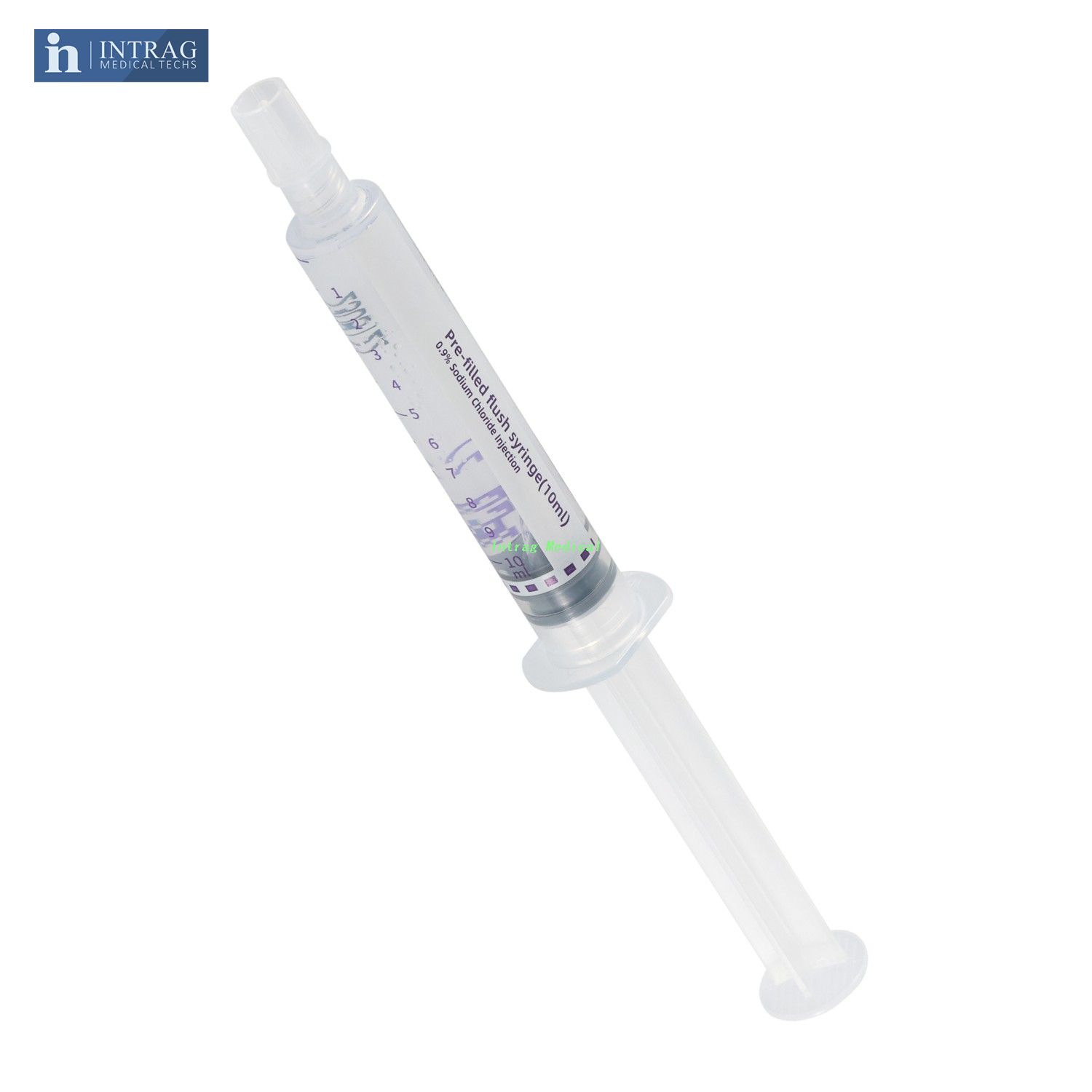
Healthcare facilities are replacing manual saline preparation with standardized, ready-to-use flushing systems. Nursing directors and supply chain managers face a dual challenge: reducing catheter-related bloodstream infections (CRBSIs) while optimizing nursing workflow and managing volatile supply chains. Manual drawing processes introduce multiple touchpoints. This increases contamination risks and consumes clinical time.
Transitioning to a standardized Pre Filled Saline Flush Syringe is a strategic clinical decision. It directly impacts patient safety, protocol compliance, and overall care quality. By eliminating the multi-step preparation required with traditional vials, hospitals enforce strict infection control measures. This shift improves vascular access management and streamlines daily nursing tasks. It also requires careful evaluation of technical specifications and supply chain resilience to maintain consistent patient care standards.
Infection Control: Prefilled systems demonstrably reduce the risk of microbial contamination and IV catheter tip colonization compared to manual drawing processes.
Workflow Optimization: Eliminating the multi-step manual preparation process significantly reduces nursing time per flush, directly impacting labor efficiency.
Supply Chain Resilience: Procurement strategies must account for FDA conservation guidelines and vendor reliability to mitigate the impact of national saline shortages.
The Clinical Case for the Pre Filled Saline Flush Syringe
Vascular access management relies on strict success criteria. Clinicians must maintain line patency, prevent occlusion, and minimize infection risks across every indwelling IV catheter. Every time a line is accessed, the patient is exposed to potential complications. Standardizing the flushing process controls these variables.
Infection Control and Colonization Rates
Manual preparation involves multiple risk vectors. A nurse accesses a saline vial, draws the fluid, and transfers it using a standard disposable syringe. Each step exposes the sterile fluid to airborne pathogens and touch contamination. Vial stoppers harbor bacteria if not perfectly disinfected. Needles become contaminated during the drawing process. Closed, prefilled systems eliminate these intermediate steps entirely.
Pathogen introduction often occurs at the hub. When a clinician manually draws saline, they must wipe the vial, insert the needle, draw the fluid, remove the needle, expel air, and then attach the syringe to the patient's line. If the clinician touches the syringe tip or the vial stopper during this sequence, bacteria transfer directly into the fluid pathway.
Clinical data shows lower colonization rates of short-term peripheral IV catheter tips when using a prefilled saline flush syringe. Manually prepared alternatives show higher instances of microbial growth upon catheter removal. Removing the human element from the fluid transfer process cuts the baseline risk of introducing pathogens into the bloodstream.
Maintaining IV Catheter Patency
Flushing requires precise mechanics. Standardized flushing pressure and volume maintain the patency of indwelling vascular access devices. Too much pressure ruptures the catheter. Too little volume fails to clear blood and medication residues. This leads to dangerous occlusions.
Catheter occlusions often result from fibrin tail formation or drug precipitates. When blood backs up into the catheter lumen, it coagulates. Prefilled systems are engineered to prevent syringe-induced blood reflux. Blood reflux occurs when the plunger rebounds slightly after being fully depressed. This pulls blood back into the catheter tip.
Optimized barrel and plunger designs in prefilled units minimize this rebound effect. Positive pressure remains consistent, keeping the line clear. Clinicians utilize specific techniques, such as the push-pause method, to create turbulent flow within the catheter. This turbulent flow scrubs the internal walls of the lumen, removing debris. Prefilled syringes provide the consistent resistance and smooth plunger action required to execute the push-pause technique effectively.
Workflow Efficiency vs. Manual Preparation
The traditional multi-component approach requires a vial, a standard syringe, a drawing needle, and multiple alcohol pads. This process is labor-intensive and prone to error. The single-component, ready-to-use prefilled approach streamlines the entire procedure. This shift fundamentally alters daily nursing operations.
Time-to-Administer and Nursing Burden
A time-motion analysis reveals the true burden of manual preparation. Gathering supplies, disinfecting the vial, drawing the saline, and expelling air takes an average of one to two minutes per flush. In a busy ward, a single nurse performs dozens of flushes per shift. Eliminating this prep time saves cumulative hours per ward every single week.
Consider the exact steps required for manual preparation versus a prefilled system:
Locate and gather a saline vial, syringe, drawing needle, and alcohol wipes.
Wash hands and don gloves.
Scrub the vial stopper with an alcohol wipe and allow it to dry.
Attach the drawing needle to the syringe.
Puncture the vial and draw the required volume of saline.
Remove the needle and safely dispose of it in a sharps container.
Expel ambient air from the syringe barrel.
Scrub the patient's catheter hub.
Attach the syringe and flush the line.
With a prefilled system, the workflow condenses significantly:
Gather the prefilled syringe and an alcohol wipe.
Wash hands and don gloves.
Remove the syringe cap and expel air (if required by the manufacturer).
Scrub the patient's catheter hub.
Attach the syringe and flush the line.
This reduction in physical steps directly lowers the cognitive load on frontline healthcare workers. Nurses focus on patient assessment rather than gathering and assembling basic supplies. Streamlining these routine tasks reduces fatigue and minimizes the risk of needle-stick injuries associated with manual drawing.
Standardization of Care Protocols
Clinical protocols dictate specific flush volumes for different types of lines. Central lines often require 10mL, while peripheral lines may only need 3mL or 5mL. Manual drawing introduces variability. A nurse in a rush might draw 8mL instead of 10mL.
Prefilled injection products enforce strict protocol adherence. By stocking exact 3mL, 5mL, or 10mL flushes, hospitals eliminate variability. The clinician selects the correct volume unit. Every patient receives the exact flush volume mandated by hospital policy. This consistency prevents under-flushing, which leaves medication residue in the line, and over-flushing, which wastes supplies and unnecessarily increases fluid intake for fluid-restricted patients.
Evaluating Features and Technical Specifications
Procurement teams must look beyond basic functionality. The technical specifications of a flush syringe dictate its safety, usability, and clinical efficacy. Careful evaluation of these dimensions is necessary for successful implementation.
Design and Ergonomics
The physical design impacts daily use. Plunger rod design must allow for smooth, controlled administration without sticking. Barrel transparency is necessary for accurate volume verification and visual inspection for particulates. Clear, bold graduation markings ensure nurses easily confirm the fluid volume before administration.
A standard luer lock connection is non-negotiable. This feature ensures a secure, leak-proof attachment to the catheter hub. Slip-tip designs are prone to disconnection under pressure. This results in fluid spills and compromised sterility. The luer lock provides the necessary mechanical security for safe flushing. The threading on the luer lock must be universally compatible with all standard needleless connectors used throughout the facility.
Integrated Disinfection Technologies
Advanced features transform basic consumables into active infection control tools. Manufacturers offer active disinfection units integrated directly into the syringe cap. These caps contain a sponge saturated with alcohol or chlorhexidine. They clean the catheter hub immediately before connection.
Clinical compliance data supports these integrated technologies. Scrub-the-hub protocols are difficult to enforce consistently. Integrated active disinfection tools almost double compliance rates for hub decontamination compared to relying on standard manual wipes. When the disinfection tool is built into the flush itself, the cleaning step cannot be easily bypassed. The physical presence of the disinfection cap serves as a visual reminder to the clinician, reinforcing institutional infection control policies at the point of care.
Packaging and Sterility Assurance
Understanding sterility levels is vital for patient safety. Procurement teams must differentiate between aseptically filled syringes and terminally sterilized syringes.
Sterilization Method
Manufacturing Process
Clinical Application
Sterile Field Approved?
Aseptic Filling
Fluid is filtered and filled into clean syringes in a controlled environment. The final sealed package is not sterilized.
Standard ward use, routine peripheral line maintenance.
No
Terminal Sterilization
The fully assembled, sealed syringe is subjected to radiation or steam sterilization in its final packaging.
Operating rooms, interventional radiology, central line insertions.
Yes
Terminal sterilization is a strict clinical necessity for use in sterile fields. Operating rooms, interventional radiology suites, and central line insertion trays require terminally sterilized products. Introducing an aseptically filled syringe into a sterile field violates infection control protocols. The exterior of an aseptically filled syringe is not guaranteed sterile, meaning it can transfer contaminants to sterile gloves, drapes, and ultimately, the patient's insertion site.
Supply Chain Resilience and Conservation Strategies
Macro-environmental factors heavily impact product availability. Saline shortages are a recurring issue in the healthcare industry. Hospitals must develop robust strategies to navigate these disruptions and ensure continuous patient care.
Navigating FDA Shortages and Allocations
The FDA regularly issues guidance during national supply chain disruptions. Procurement teams must review historical and current FDA Letters to Health Care Personnel. These documents outline specific conservation strategies for 0.9% sodium chloride IV lock/flush syringes during acute shortages.
Hospitals must establish protocols for prioritizing prefilled syringe usage. During constraints, these units should be reserved for high-risk patients, central lines, and sterile fields. Facilities must develop safe transition workflows to alternative flushing methods. Manual drawing from larger IV bags is an option when prefilled stock is critically low. Clear communication of these protocols prevents panic and ensures equitable distribution of resources. Pharmacy and therapeutics committees should draft these conservation protocols proactively, rather than reacting during an active shortage.
Vendor Reliability and Inventory Management
Relying on a single manufacturer is a significant risk. Facilities must establish strict criteria for evaluating vendor reliability. Key metrics include manufacturing capacity, geographic diversity of production facilities, and historical allocation performance during past shortages.
A stable supply requires a diversified procurement strategy. Hospitals should maintain contracts with multiple approved vendors. Inventory management systems must track usage rates in real-time. This triggers early reorders before stock reaches critical levels. Transparent communication with vendors regarding anticipated usage spikes helps secure necessary allocations. Supply chain managers should request detailed documentation regarding a vendor's raw material sourcing. If a vendor relies on a single geographic region for their plastic resin or raw saline components, they are highly vulnerable to localized disruptions.
Implementation Risks and Adoption Roadblocks
Rolling out a new standard across a hospital system requires careful planning. Changing deeply ingrained clinical habits is challenging. Anticipating adoption roadblocks and mitigating implementation risks ensures a smooth transition.
Clinical Training and Protocol Updates
New design features require specific clinical training. Some manufacturers design their syringes with a specific air bubble intended to clear the dead space of the catheter interface. Nurses accustomed to expelling all air before injection must be retrained to follow the new manufacturer's Instructions for Use (IFU).
Protocol updates must be clearly communicated. Nursing educators should conduct hands-on in-services. They demonstrate the correct usage of integrated disinfection caps and luer lock connections. Clear, accessible documentation on the wards helps reinforce the new standards. This prevents reversion to old manual drawing habits. Training modules should include competency checklists. Nurse managers must verify that every staff member can correctly identify the difference between a terminally sterilized unit and an aseptically filled unit before allowing them to practice independently.
Managing Transition Periods and Stock Overlaps
Phasing out legacy products without causing ward-level confusion requires a strategic timeline. A hard cutover is often disruptive. Hospitals should outline strategies for a phased rollout. Starting with high-acuity units like the ICU or Oncology is effective.
Stock overlaps must be managed carefully. Having both manual drawing supplies and prefilled units available simultaneously leads to inconsistent practices. Supply chain teams should coordinate with nurse managers. They must physically remove legacy vials and standard syringes from the supply rooms as the new prefilled units are stocked. This forces adoption and eliminates the temptation to use outdated methods. Floor stock pars should be adjusted daily during the first two weeks of implementation to account for actual usage rates, preventing unexpected stockouts that might force nurses to revert to manual drawing.
To successfully implement a standardized flushing system, facility leaders must execute the following steps:
Initiate a localized pilot program in a high-acuity ward to gather frontline feedback on syringe ergonomics and design.
Conduct a targeted time-motion study to quantify the exact nursing hours saved by eliminating manual saline preparation.
Audit current inventory to identify and phase out redundant manual drawing supplies, ensuring a clean transition to the new standard.
Update all vascular access clinical protocols to reflect the specific Instructions for Use (IFU) of the newly selected prefilled system.
FAQ
Q: What is the primary advantage of a pre filled saline flush syringe over manual drawing?
A: The primary advantage is the significant reduction of preparation steps. This decreases the risk of fluid contamination and minimizes catheter tip colonization. It also enforces standardized flush volumes and saves valuable nursing time.
Q: Can a standard disposable syringe be used for IV catheter flushing?
A: Yes, but it requires manual drawing from a saline vial. This multi-step process increases preparation time, introduces clinical variability, and significantly raises the risk of introducing airborne or touch-borne pathogens into the patient's line.
Q: What are the FDA conservation strategies for prefilled saline syringes?
A: During shortages, the FDA advises prioritizing prefilled syringes for high-risk clinical scenarios and sterile fields. They recommend utilizing alternative safe flushing methods, such as drawing from larger sterile IV bags, for routine peripheral line maintenance when supplies are constrained.
Q: Are all prefilled saline flush syringes terminally sterilized?
A: No. Some are only aseptically filled, meaning the fluid is sterile but the outside of the syringe is not. Only terminally sterilized syringes, which are sterilized in their final packaging, are cleared and safe for use in sterile fields like operating rooms.
Q: How do prefilled injection products impact scrub-the-hub compliance?
A: Modern prefilled units often feature integrated active disinfection caps. By combining the cleaning tool with the flush syringe, these designs have been clinically shown to nearly double nursing compliance with mandatory hub decontamination protocols.
Q: Does the air bubble in a prefilled saline syringe need to be expelled?
A: Clinicians must consult the specific manufacturer's Instructions for Use (IFU). While traditional practice dictates expelling air, some modern designs utilize a specific air bubble to effectively clear the dead space at the catheter interface.
Providing "High Quality Products, Excellent Service, Competitive Prices and Prompt Delivery", we are now looking forward to have greater and further cooperation with customers all over the world, based on mutual benefits.