Injectable products play an essential role in modern medicine, offering a reliable and efficient method for administering medication directly into the body. They encompass a wide range of products, including syringes, needles, and pre-filled devices, each tailored to specific medical needs. In this article, we will explore the different types of injectable products, their applications, benefits, and considerations when choosing them, to provide a comprehensive understanding of these critical tools used in healthcare.
Types of Injectable Products
Injectable products come in various forms, each designed to cater to specific clinical and patient needs. The following are the key types of injectable products used in medical settings:
1.1 Syringes
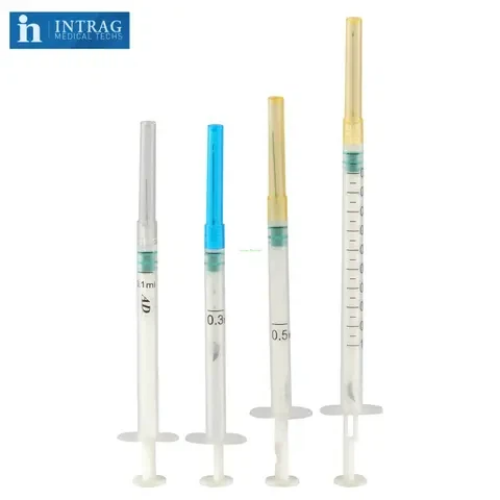
Syringes are the most commonly used injectable products. They are simple devices that consist of a cylindrical barrel, a plunger, and a needle or other means for delivering the medication into the body. Syringes come in various sizes, typically ranging from 1ml to 60ml, depending on the medication volume required. They are available as single-use (disposable) or reusable versions, though disposable syringes are preferred in most medical environments for safety reasons.
Types of Syringes
Standard Syringes: These syringes are typically used for a wide range of injections, such as vaccinations and insulin administration.
Insulin Syringes: Specifically designed for delivering small doses of insulin in diabetes management, these syringes usually have a fine needle for precise delivery.
Tuberculin Syringes: These syringes are used for small, precise doses, especially in the case of tuberculosis testing and immunizations.
Syringe Type | Common Uses | Needle Size |
Standard Syringe | General injections, vaccines | Various sizes |
Insulin Syringe | Insulin administration for diabetes | Small gauge |
Tuberculin Syringe | TB testing and small dose vaccines | Fine gauge |
1.2 Needles
Needles are another essential component of injectable products, designed to pierce the skin and deliver the medication from the syringe into the body. They vary in length and gauge (thickness) depending on the type of injection and the area of the body being treated.
Types of Needles
Hypodermic Needles: The most common type, used for subcutaneous (under the skin), intramuscular (into the muscle), and intravenous (into the vein) injections.
Blood Collection Needles: Specialized needles used for drawing blood from patients, typically equipped with a vacutainer system.
Spinal Needles: Long, fine needles used for epidural injections or spinal anesthesia.
Needle Type | Common Uses | Needle Length |
Hypodermic Needle | General injections, vaccinations | 0.5 to 3 inches |
Blood Collection | Blood draws for diagnostic purposes | 1 to 1.5 inches |
Spinal Needle | Spinal anesthesia and lumbar puncture | 2 to 4 inches |
1.3 Auto-Disable and Safety Syringes
Auto-disable syringes are designed with a mechanism that ensures the needle cannot be reused after the first use, reducing the risk of needle-stick injuries and cross-contamination. These syringes are especially important in settings such as immunization campaigns, where the safety and hygiene of injections are paramount.
Key Features of Auto-Disable Syringes
Self-locking Mechanism: Prevents the plunger from moving after the first injection, making reuse impossible.
Safety Features: Often come with safety shields that cover the needle after use, ensuring safe disposal and reducing the risk of injury.
1.4 Pre-filled Syringes
Pre-filled syringes are ready-to-use devices that contain a specific amount of medication. These syringes are particularly useful in situations where accuracy and convenience are important. They help streamline the process of medication administration, ensuring that the right dose is delivered each time.
Advantages of Pre-filled Syringes
Accuracy and Precision: Since the syringe is pre-filled with the correct amount of medication, the risk of dosing errors is minimized.
Convenience: These syringes eliminate the need for additional steps, such as drawing medication from a vial, saving time and reducing the risk of contamination.
Reduced Waste: Pre-filled syringes typically come in smaller volumes, reducing the potential for medication wastage.
1.5 Disposable Catheters
Disposable catheters are used for intravenous (IV) injection, allowing healthcare providers to administer fluids or medications directly into the bloodstream. These are single-use devices that minimize the risk of infections, as they are discarded after each use.
Common Uses of Disposable Catheters
IV Drug Administration: Used in hospitals and emergency settings for the quick delivery of fluids and medications.
Blood Transfusion: Catheters are also used for blood transfusions, providing a direct route to the vein.
Applications of Injectable Products
Injectable products are indispensable in various healthcare settings, from hospitals to home care. The following are some of the key applications of injectable products:
2.1 Medical and Clinical Use
Injectable products are most commonly used in hospitals and clinics for patient treatment. They are used for a wide range of purposes, including:
Vaccination: Most vaccines are administered via injection to ensure proper absorption and a faster immune response.
Diabetes Management: Insulin injections are critical for managing diabetes, particularly in patients with type 1 diabetes or insulin-dependent type 2 diabetes.
Anesthesia: Injectables such as local anesthetics are used to numb specific areas of the body during surgery or medical procedures.
Chemotherapy: Injectable chemotherapy drugs are used to treat cancer, delivered directly into the bloodstream for faster and more efficient action.
2.2 Pharmaceutical Industry
The pharmaceutical industry heavily relies on injectable products for the production, distribution, and administration of medications. Many life-saving drugs, such as biologics, require injection for effective delivery to the body.
Biologics: Many biologic drugs, such as monoclonal antibodies and vaccines, are only effective when administered through injections.
Vaccine Distribution: Pre-filled syringes and auto-disable syringes are commonly used to distribute vaccines safely and effectively.
2.3 Emergency and Critical Care
In emergency situations, injectable products are often used to deliver immediate treatment, such as:
IV Fluids: Used to restore hydration and provide nutrients to patients in critical care settings.
Pain Management: Injectable pain relievers, such as morphine or other opioids, are essential in emergency care for managing acute pain.
Advantages of Injectable Products
Injectable products offer several advantages over other forms of medication delivery, including:
3.1 Accurate Dosage Delivery
Injectable products allow for precise dosage control, ensuring that the patient receives the correct amount of medication. This is especially important in critical care, where an incorrect dose can have significant consequences.
Controlled Dosing: With syringes and pre-filled devices, healthcare providers can deliver the exact dose needed without relying on estimation.
3.2 Faster Therapeutic Action
Injectable products often provide faster therapeutic effects compared to oral medications. When a drug is injected, it is absorbed directly into the bloodstream, allowing for quicker onset of action.
Rapid Relief: For conditions that require immediate treatment, such as pain or dehydration, injectable products can provide rapid relief.
3.3 Sterility and Safety
Disposable injectable products, such as syringes and needles, are designed to be used once and then discarded. This minimizes the risk of contamination and ensures that each injection is safe and sterile.
Infection Prevention: The single-use nature of these products reduces the risk of cross-contamination between patients.
Key Considerations When Choosing Injectable Products
When selecting injectable products for medical use, several factors need to be considered to ensure that they meet the needs of both healthcare providers and patients.
4.1 Product Quality and Certification
It is essential to ensure that injectable products meet international quality standards. Look for certifications such as ISO (International Organization for Standardization) or CE (Conformité Européenne) to guarantee that the product is safe and effective.
Regulatory Approvals: Ensure that the injectable product has been approved by regulatory bodies such as the FDA (Food and Drug Administration) or EMA (European Medicines Agency).
4.2 Patient Comfort
Injectable products should be designed with patient comfort in mind. Innovations in needle design, such as smaller gauge needles or needle-free injection systems, have significantly improved patient experience.
Needle Design: Fine, ultra-thin needles reduce pain during injection, making it more comfortable for patients.
4.3 Environmental Impact
As the healthcare industry moves toward sustainability, it's essential to consider the environmental impact of injectable products. Many manufacturers are now focusing on producing biodegradable or recyclable injection products to reduce waste.
Eco-friendly Options: Look for injectable products that use recyclable materials or that have been manufactured with environmental sustainability in mind.
Conclusion
Injectable products are essential in modern healthcare, playing a crucial role in delivering accurate, fast, and safe treatments. From syringes and needles to pre-filled devices and catheters, these products are integral in areas such as vaccinations, pain management, emergency care, and pharmaceutical distribution. At Anhui Intrag Medical Techs Co., Ltd., we understand the importance of providing high-quality injectable products that meet the diverse needs of medical professionals and patients alike. Our range of solutions prioritizes safety, patient comfort, and environmental sustainability, ensuring that our products deliver the best possible outcomes. If you're looking for reliable and advanced injectable products for your healthcare needs, we invite you to explore our offerings and get in touch with us for more information. Our team is here to assist you in finding the right solutions for your medical practice.
FAQs
1. What are the different types of injectable products?
Injectable products include syringes, needles, auto-disable syringes, pre-filled syringes, and disposable catheters, each designed for specific uses and healthcare needs.
2. How do injectable products differ from oral medications?
Injectable products deliver medication directly into the bloodstream, providing faster action and more accurate dosing, unlike oral medications that must pass through the digestive system.
3. Are injectable products safe to use?
Yes, when used correctly, injectable products are safe. They are designed to be single-use to minimize the risk of infection and contamination.
4. Why are pre-filled syringes popular?
Pre-filled syringes offer convenience, accuracy, and reduce the risk of dosing errors, making them ideal for patient self-administration and time-sensitive treatments.
5. How do I choose the right injectable product for my medical needs?
Consider factors such as the type of treatment, the medication required, patient comfort, and product certification to ensure the appropriate choice of injectable product.


