Injection products are crucial tools in healthcare, enabling the precise administration of medication, vaccines, and other treatments. These products come in a wide variety of forms, each designed for specific applications, such as syringes, needles, auto-disable syringes, catheters, and needle-free injectors. Understanding the different categories of injection products is essential for selecting the right product for medical procedures, ensuring patient safety, and optimizing treatment outcomes.
Injection products are devices used to deliver drugs, vaccines, or fluids directly into the body, bypassing the digestive system. These products are fundamental in many medical treatments, offering speed and accuracy in drug delivery. Some of the most common categories include syringes, needles, auto-disable syringes, catheters, and needle-free injectors. Understanding each category and its specific uses is essential for healthcare professionals and patients alike, as these tools are pivotal in managing a variety of medical conditions.
Injection products can be categorized based on their function, usage, and design. Each type of injection product is specifically suited for a particular medical application, such as vaccination, chronic disease management, pain relief, or emergency care. In the following sections, we will explore the various categories of injection products, focusing on their applications and unique features.
1. Syringes
Syringes are perhaps the most recognizable and widely used injection products. They consist of a cylindrical barrel, a plunger, and a needle or other delivery mechanism. Syringes are used to inject liquid medications into the body, and their size and type can vary based on the treatment needs.
1.1 Standard Syringes
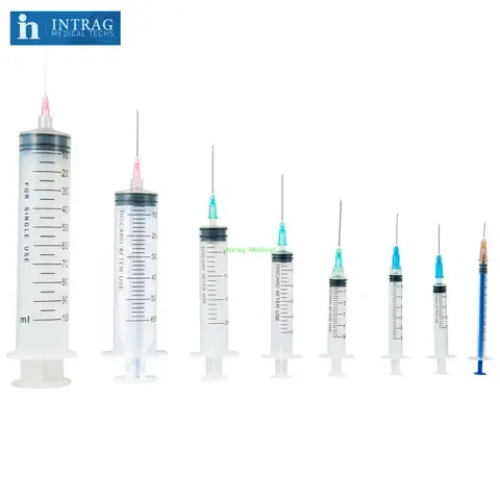
Standard syringes are the most commonly used type of syringe. They are available in various sizes, typically ranging from 1ml to 60ml, and are used for a wide range of medical applications, including the administration of vaccines, medications, and fluids.
Types of Standard Syringes
1ml Syringes – Used for small doses, such as in pediatric care or insulin injections.
5ml Syringes – Common for general injections and standard medication doses.
10ml and 20ml Syringes – Used for larger doses in procedures requiring more medication, such as IV injections.
Syringe Size | Common Uses | Benefits |
1ml | Insulin injections, pediatric use | Precise small-dose delivery |
5ml | Routine injections, vaccine administration | Standard, versatile use |
10-20ml | IV fluids, large-dose medications | Larger volume for fluid therapy |
1.2 Insulin Syringes
Insulin syringes are specialized syringes designed for delivering insulin, which is used to manage diabetes. These syringes typically come with smaller volumes (0.5ml, 1ml) and finer needles for more precise and comfortable injections. Insulin syringes can also come in pen format for easier self-administration.
Benefits of Insulin Syringes
Accurate Dosing: Insulin syringes are specifically calibrated to ensure precise dosing for diabetes management.
Comfort: These syringes are designed with smaller, thinner needles to minimize pain during injection.
Syringe Type | Volume | Purpose | Features |
Insulin Syringe | 0.5-1ml | Diabetes management | Precise, comfortable |
2. Needles
Needles are an essential component of injection products. They are used to pierce the skin and deliver medication or fluids into the body. Needles come in a variety of types and sizes, depending on the application.
2.1 Hypodermic Needles
Hypodermic needles are used for injecting medications beneath the skin (subcutaneous), into muscles (intramuscular), or directly into the bloodstream (intravenous). These needles come in various gauges (diameter) and lengths, and the appropriate choice depends on the type of injection and the location.
Needle Sizes and Their Uses
Short Needles (⅜ to 1 inch): Used for subcutaneous injections, such as insulin or vaccines.
Long Needles (1.5 inches or longer): Used for intramuscular injections, like vaccines or pain management injections.
Needle Gauge | Needle Length | Common Uses |
25-27 gauge | ⅜ to 1 inch | Subcutaneous injections |
21-23 gauge | 1 to 1.5 inches | Intramuscular injections |
2.2 Blood Collection Needles
Blood collection needles are specifically designed for drawing blood samples for diagnostic tests. These needles are typically equipped with a vacutainer system to ensure that blood is safely and efficiently collected into collection tubes.
Key Features of Blood Collection Needles
Safety Mechanisms: Blood collection needles are designed with safety features such as retractable needles or shields to prevent accidental needle-stick injuries.
Precision: These needles are designed to minimize discomfort during the blood collection process.
3. Auto-disable Syringes
Auto-disable syringes are designed to be used once and then automatically disabled, preventing reuse. These syringes are primarily used in vaccination campaigns and other settings where the risk of infection from reused needles must be minimized.
3.1 Mechanism of Auto-disable Syringes
These syringes include a self-locking mechanism that prevents the plunger from being pulled back after the first use. This ensures that the syringe cannot be reused, reducing the risk of cross-contamination.
Safety Features
Needle Locking: After the syringe is used, the needle is automatically locked, preventing reuse.
Single-use: Ensures safe disposal of syringes and needles, reducing needle-stick injuries.
Syringe Type | Key Feature | Benefits |
Auto-disable Syringe | Self-locking mechanism | Prevents reuse, increases safety |
4. Catheters
Catheters are used for intravenous (IV) drug administration, fluid delivery, or drainage. These products are essential for treating patients who need to receive fluids, medications, or blood products over a prolonged period.
4.1 Intravenous (IV) Catheters
IV catheters are inserted into a vein to deliver fluids, medications, or nutrients directly into the bloodstream. These catheters are used for hydration, administering medication, or managing acute conditions.
Types of IV Catheters
Short-term IV Catheters: Used for quick administration of fluids or medications in emergency care.
Long-term IV Catheters (e.g., PICC lines): Used for ongoing treatments, such as chemotherapy or nutrition support.
Catheter Type | Duration of Use | Common Use |
Short-term IV | Days to weeks | Emergency fluid and drug administration |
Long-term IV | Weeks to months | Chronic conditions, chemotherapy |
5. Needle-free Injection Systems
Needle-free injection systems use high-pressure air to deliver medication through the skin without the need for a needle. These systems are increasingly popular for patients who fear needles or require frequent injections.
5.1 Working Principle of Needle-free Injections
Needle-free injectors work by using a jet of compressed air to force the medication through the skin. The injection is fast and virtually painless, making it ideal for patients who are averse to traditional needles.
Applications of Needle-free Systems
Vaccinations: Needle-free injectors are becoming a popular method for administering vaccines, especially in mass vaccination programs.
Chronic Disease Management: Insulin and other injectable medications can be delivered without needles, improving patient compliance.
Injection System | Mechanism | Benefits |
Needle-free Injector | High-pressure air delivers medication | Pain-free, needle-free injections |
6. Other Specialized Injection Products
6.1 Injectable Pens
Injectable pens, often used for insulin administration, allow patients to inject themselves with precise doses of medication. These pens are convenient, portable, and easy to use, offering better control over the injection process.
Benefits of Injectable Pens
User-Friendly: Designed for ease of use, especially for patients who self-administer injections.
Accurate Dosing: Pre-filled pens allow for accurate, precise dosing, reducing the risk of errors.
6.2 Injectable Implant Devices
Injectable implants are medical devices that are injected under the skin to provide long-term medication delivery. These devices are used in hormone therapy, contraceptives, and even some cancer treatments, providing steady, controlled release of medication over time.
Advantages of Injectable Implants
Long-Term Use: Eliminates the need for daily or frequent injections.
Convenient: Provides a continuous supply of medication, reducing the risk of missed doses.
7. Conclusion
Injection products are vital in modern healthcare, offering a broad range of solutions for delivering medication—from standard syringes to specialized devices such as needle-free injectors and injectable pens. Each category of injection product is designed to serve a unique purpose, providing specific benefits that enable healthcare providers to select the most suitable tools for their patients. Whether for managing chronic conditions, administering vaccines, or delivering pain relief, the right injection product can greatly enhance treatment efficacy and patient safety.
At Anhui Intrag Medical Techs Co., Ltd., we specialize in providing high-quality injection products that cater to diverse healthcare needs. Our range includes syringes, needles, pre-filled devices, and auto-disable syringes, all designed to meet the highest standards of safety and reliability. We understand the importance of precision and comfort in treatment, which is why our products are designed to ensure optimal performance for both healthcare providers and patients.
For more information about our injection products and how they can benefit your practice, we invite you to get in touch with us. Our team is ready to help you select the right solutions to meet your needs and improve patient care.
8. FAQs
1. What are the different categories of injection products?
Injection products can be categorized into syringes, needles, auto-disable syringes, catheters, needle-free injection systems, and specialized devices like injectable pens and implant devices.
2. How do auto-disable syringes work?
Auto-disable syringes feature a self-locking mechanism that prevents the syringe from being reused after the first use, reducing the risk of contamination and infection.
3. What are needle-free injection systems used for?
Needle-free injection systems use high-pressure air to deliver medication through the skin without using a needle, offering a painless and safe alternative for patients who are needle-averse.
4. Can injectable pens be used for chronic disease management?
Yes, injectable pens are commonly used for conditions like diabetes to allow patients to self-administer medication with precise doses.
5. What is the difference between a standard syringe and a pre-filled syringe?
A standard syringe requires healthcare providers to draw medication from a vial, while a pre-filled syringe comes pre-loaded with the medication, ensuring convenience and accuracy for patients and providers.


