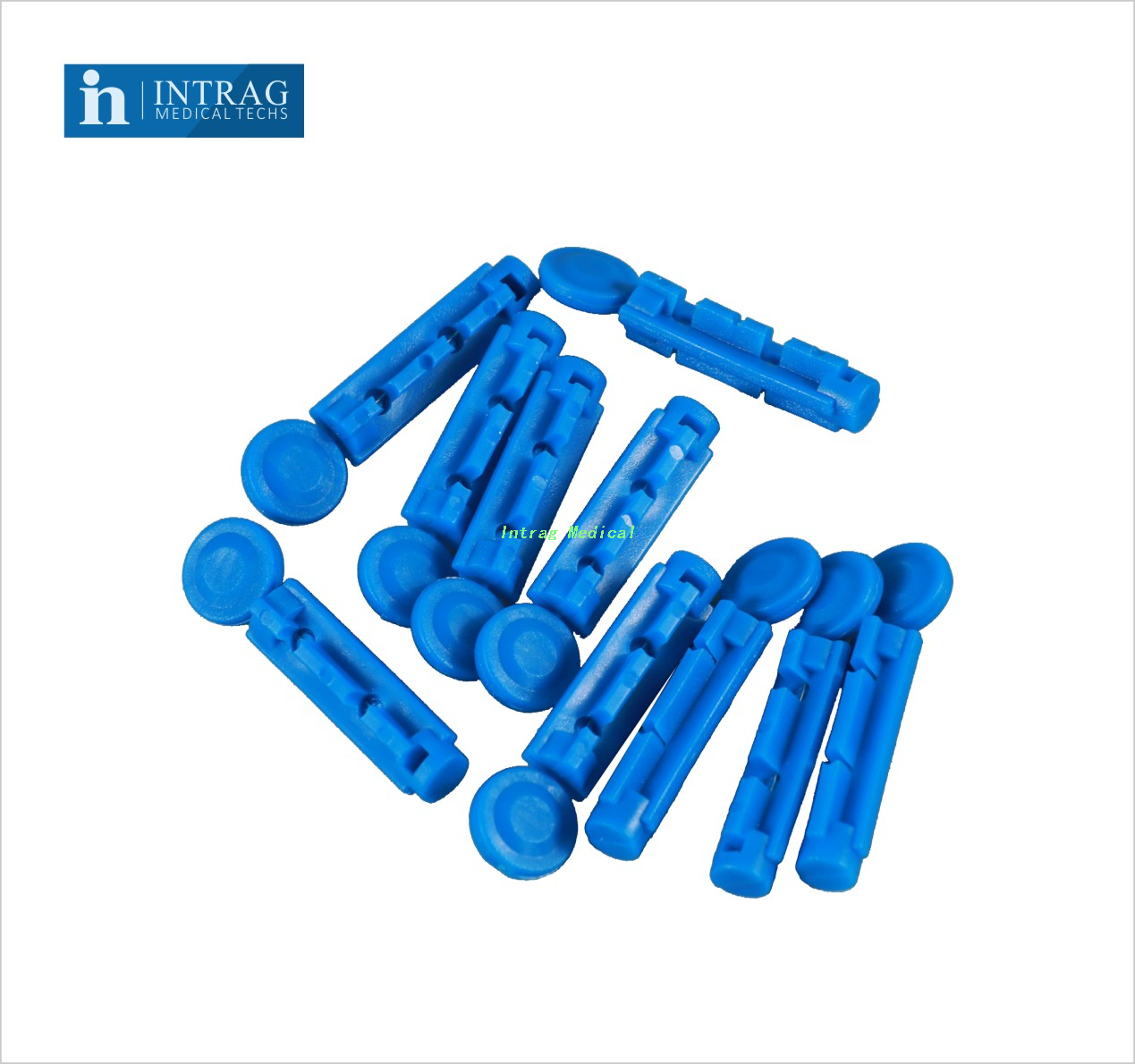
Capillary blood sampling presents a persistent challenge in daily healthcare routines. Practitioners and patients constantly struggle here. They must balance consistent blood volume against comfort and cross-contamination risks. Securing a reliable sample without causing severe pain remains difficult. Poorly designed devices often lead to multiple painful re-sticks. These failed attempts frustrate both caregivers and those receiving care. To address needle-stick anxiety and strict safety compliance, users turn to specialized medical consumables. The Twins Blood Lancet emerges as a highly effective solution for these specific issues. This article objectively breaks down the exact mechanisms powering this device. We will compare it to standard alternatives available today. You will also discover a clear evaluation framework. Procurement teams and daily users can apply this logic immediately to improve safety protocols.
Key Takeaways
Core Function: Twins Blood Lancets utilize a precise gauge and controlled-depth mechanism to yield consistent capillary samples with minimal tissue trauma.
Safety & Compliance: Built for single-use sterility, reducing the risk of accidental needle-stick injuries and cross-infection in both home and clinical environments.
Market Positioning: Offers specific structural differences when evaluated against standard twist blood lancets regarding cap removal, needle stability, and lancing device compatibility.
Procurement Logic: Selecting the right lancet requires matching the gauge size and activation mechanism to the specific patient demographic and daily testing volume.
Understanding the Twins Blood Lancet: Anatomy and Mechanism
Modern capillary sampling relies on precisely engineered tools. We define this lancet by its distinct physical structure. It features a rigid plastic housing. A protective cap covers the sterile needle unit completely. Manufacturers use medical-grade polymers to form this outer shell. This ensures durability during transit and handling. The internal needle consists of surgical stainless steel. This material resists bending under pressure.
Operational mechanics dictate how you handle the device. Users must remove the protective cap before activation. This action integrates the familiar twist blood lancet motion. You rotate the top cap firmly. You then pull it away from the main body. This separates the plastic seal. It exposes the sterile tip safely just moments before use.
Needle engineering plays a critical role in patient comfort. These devices utilize a tri-bevel tip design. Engineers grind the metal at three distinct angles. This specific geometry creates an incredibly sharp point. It parts the skin smoothly rather than tearing it. Such precision minimizes nerve stimulation significantly. It also promotes faster healing at the puncture site.
You must understand the distinction between system components. The lancet itself acts as the disposable needle. It holds no mechanical power. The lancing device serves as the reusable carrier. This carrier houses the spring-loaded mechanism. You insert the disposable unit into this carrier. Compatibility between these two parts dictates successful operation.
Best Practices for Component Matching
Always check the carrier manual for brand restrictions.
Never force a mismatched plastic housing into a carrier slot.
Test a single unit manually before buying bulk cases.
Business and Clinical Problems Solved
Inconsistent sample volumes plague diagnostic testing routines. A poorly exposed needle yields an insufficient blood drop. You then face a cascade of operational errors. The diagnostic meter rejects the tiny sample. You waste an expensive test strip. You must perform another painful re-stick. Standardized needle exposure solves this directly. The plastic collar limits penetration depth accurately. You secure a sufficient drop on your first attempt.
Patient compliance directly affects health outcomes. Visible medical needles trigger severe anxiety. This psychological barrier prevents regular glucose monitoring. Patients skip their scheduled tests. Enclosed designs mitigate this hesitation. The user never sees the metal tip before activation. Standardized twist blood lancet shapes feel like harmless plastic tools. They reduce fear significantly across pediatric and geriatric demographics.
Occupational safety remains paramount in clinical environments. Needle-stick injuries carry severe consequences. They expose staff to bloodborne pathogens. Clinics face strict OSHA regulatory liabilities regarding sharps management. Single-use designs mitigate these risks effectively. The plastic housing prevents accidental side-punctures. Safely capped disposal protocols keep janitorial and clinical staff protected constantly.
Common Mistakes in Clinical Settings
Leaving exposed tips on countertops during busy shifts.
Attempting to manually recap a used tip.
Ignoring patient flinching behaviors during the procedure.
Twins Blood Lancet vs. Standard Twist Blood Lancets
Evaluating physical handling reveals distinct differences. Generic versions often utilize smooth plastic molds. They slip easily between gloved fingers. The Twins Blood Lancet incorporates superior grip ergonomics. Textured ridges allow for confident handling. Cap twisting resistance also varies. Cheaper models require excessive force. This can bend the internal needle before use. High-quality designs snap off cleanly and predictably.
Gauge and depth consistency determine sample success. You must map available gauge sizes to patient outcomes. Thicker skin requires robust needles. Pediatric use demands ultra-thin alternatives. The table below illustrates this mapping clearly. You can reference this chart when selecting inventory.
Gauge Size
Needle Thickness
Optimal Patient Demographic
Blood Volume Yield
21G - 23G
Very Thick
Calloused adult skin / specialized tests
High volume
28G
Thick
Standard adult skin
Moderate-High volume
30G
Medium
General adult population
Moderate volume
33G
Ultra-thin
Pediatric and sensitive skin
Low volume
Cost versus performance requires careful analysis. Facility managers often target ultra-low-cost generic alternatives. They only look at the initial price per box. This approach ignores unit economics. Cheap units suffer high failure rates. You will find bent needles upon opening them. You will encounter dull tips causing patient pain. These failures erase any upfront savings. Quality engineering ensures every unit functions properly.
Step-by-Step: Safe Implementation and Usage Protocol
Proper preparation dictates the success of your sample. Site sanitization requires careful attention. Medical professionals debate alcohol prep versus soap. Washing hands using warm water and basic soap works best. Warm water increases local blood flow. Alcohol can dilute the blood sample. It may alter sensitive diagnostic readings. Constant alcohol use also hardens fingertip skin over time.
Execution requires a strict methodological approach. You must build muscle memory for these actions. Follow these ordered steps to guarantee success.
Wash the target site thoroughly and dry it completely.
Load the unused unit into your designated carrier device.
Execute the twist-and-pull motion to remove the plastic protective cap.
Select the optimal puncture site along the sides of the fingertip.
Avoid the center pad to bypass dense nerve clusters.
Apply firm, correct pressure against the skin before triggering the mechanism.
Disposal protocols define your risk mitigation strategy. You must eject the used unit immediately. Push it directly into an approved rigid sharps container. Never attempt to manually recap the exposed tip. Manual recapping causes most accidental injuries. Direct ejection ensures zero hazardous exposure for the operator.
Evaluation Criteria: How to Shortlist and Procure
Selecting the right consumable demands a structured framework. Lancing device compatibility stands as your first hurdle. You must verify fitment. Some clinics use universal carriers. Others rely on proprietary drum-based systems. Always cross-reference the manufacturer specifications. A loose fit causes excessive vibration. This vibration increases patient pain significantly.
Your gauge selection matrix must align clinical needs. Choose needle thickness based on required volume. Standard glucose testing requires tiny drops. You can use 33G units safely. Coagulation testing demands much larger yields. You must drop down to 21G or 28G units. Using the wrong gauge guarantees procedure failure.
Supplier credentials protect your facility legally. You must verify regulatory compliance. Look for active FDA clearances. Demand CE marks for European applications. Lot traceability ensures accountability. You can track manufacturing defects back to the source. This protects you during bulk acquisitions.
We recommend strict user feedback cycles. Always run a pilot testing phase. Distribute sample packs to your staff. Let them evaluate actual handling efficiency. Survey patients regarding pain scores. Compare these scores against your legacy devices. Do not commit to enterprise-level adoption without this data.
Procurement Evaluation Chart
Evaluation Metric
Acceptable Standard
Red Flags to Avoid
Carrier Fitment
Snug fit, zero lateral movement
Requires forcing or rattling sounds
Cap Removal
Smooth rotation, clean break
Stretching plastic, bent internal needles
Regulatory Marks
FDA 510(k), ISO 13485, CE
Missing documentation, unverified origin
Pain Scores
Below 3/10 on average scale
Consistent patient flinching or complaints
Conclusion
The Twins Blood Lancet offers a highly reliable approach to capillary sampling. You achieve consistent volumes when matching the correct device and gauge. Tri-bevel engineering reduces tissue trauma efficiently. Textured grips prevent handling errors during busy shifts. Quality construction eliminates the frustrations of bent tips.
Successful adoption depends entirely on protocol adherence. You must enforce strict single-use policies. Proper sharps disposal remains a non-negotiable safety standard. Reusing these tools endangers patients and skews diagnostic results. Training staff on these protocols guarantees long-term success.
You can take immediate action today. Audit your current carrier devices for compatibility. Review your patient demographics to determine the optimal gauge sizes. Request sample packs from qualified suppliers. Run a localized pilot test to verify performance. These proactive steps will transform your sampling efficiency instantly.
FAQ
Q: Can a Twins Blood Lancet be reused safely?
A: No. Reusing any lancet dulls the tri-bevel tip immediately. This degradation increases pain and causes severe tissue damage. It also elevates the risk of bacterial infection dramatically. They are strictly single-use devices. You must dispose of them after one activation.
Q: Are Twins Blood Lancets compatible with all lancing devices?
A: While many twist blood lancet models feature a universal design, compatibility remains restricted occasionally. Proprietary devices often require specific shapes. Drum-based or cartridge-based systems will not accept standard universal units. Always verify fitment guidelines directly with the carrier device manufacturer.
Q: Does a higher gauge number mean less pain?
A: Generally, yes. A higher gauge indicates a thinner needle profile. A 33G needle parts less tissue than a 21G needle. This typically results in less pain. However, thinner needles produce a much smaller blood drop. You must use thicker needles when diagnostic tools require larger sample volumes.
Providing "High Quality Products, Excellent Service, Competitive Prices and Prompt Delivery", we are now looking forward to have greater and further cooperation with customers all over the world, based on mutual benefits.