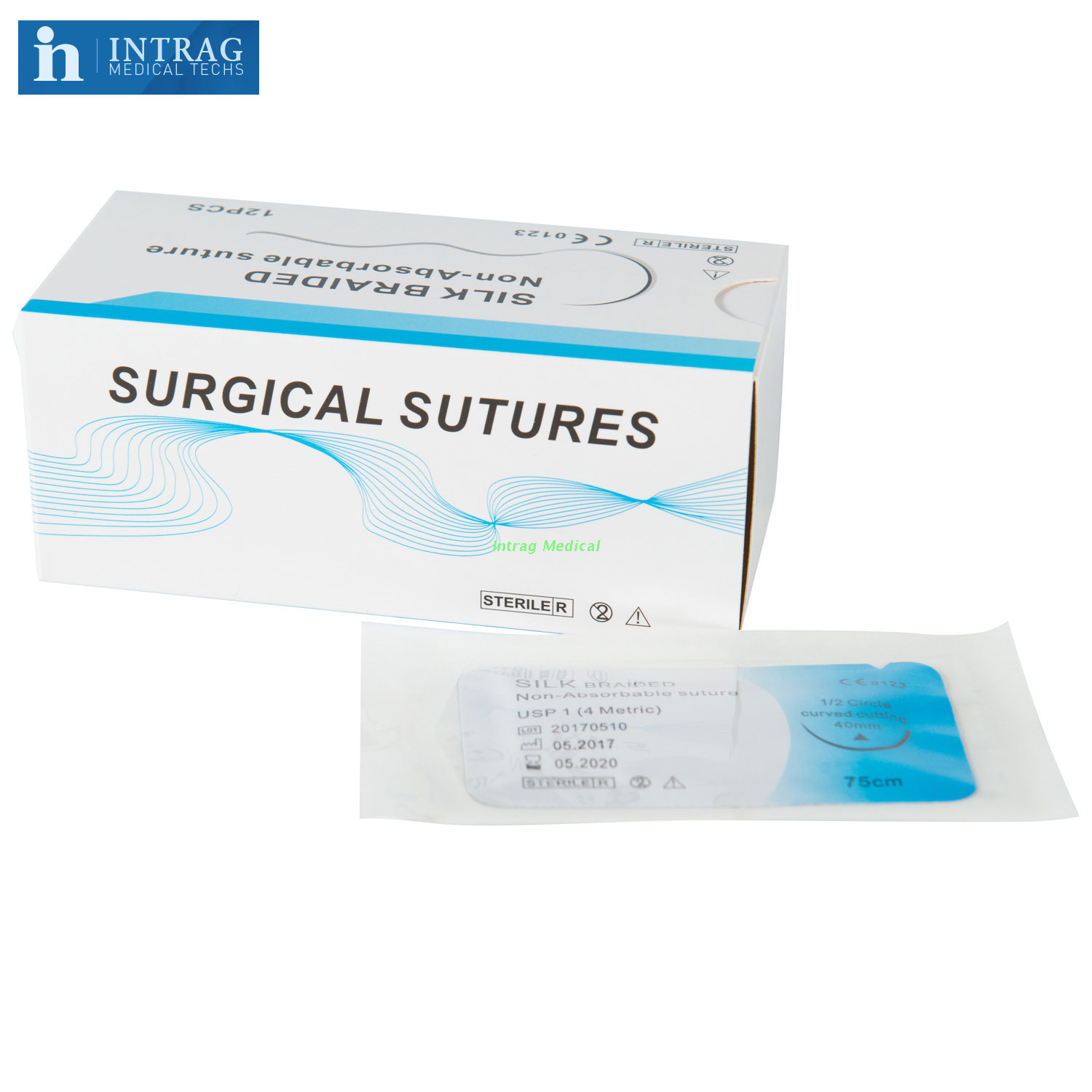
The surgical knot is universally the weakest point in any wound closure. It accounts for the majority of mechanical failures, impaired wound healing, and subsequent dehiscence. Operating room teams constantly balance workflow efficiency against the meticulous technique required to secure high-strength materials. Insecure knots compromise hemostasis and anastomoses. This leads to severe post-operative complications and increased institutional costs. You must understand how different materials behave under physiological load to prevent these outcomes. We evaluate surgical closure materials based on biomechanical knot security, material friction coefficients, and the strategic selection of traditional versus alternative closure technologies. This framework helps you minimize failure rates and optimize surgical outcomes.
Biomechanical Vulnerability: Tying a knot inherently deforms the material, reducing the overall tensile strength of the closure by creating a localized stress concentration point.
Material-Dependent Security: The required number of throws (often up to 7 for high-strength synthetics) and the risk of slippage vary drastically between monofilament, multifilament, and coated materials.
Workflow vs. Reliability: Standardizing closure protocols requires balancing the time-intensive nature of secure knotting with the adoption of advanced surgical products like knotless barbed sutures.
Procurement Criteria: Selecting the right closure materials requires evaluating manufacturer specifications for knot pull tensile strength, handling characteristics, and in vivo degradation profiles.
The Biomechanics of Knot Security in a Surgical Suture
Defining Knot Security and Failure Modes
Knot security defines the ability of a tied configuration to resist slippage under physiological load. It serves as the primary metric for evaluating closure reliability. A secure knot maintains tissue approximation throughout the critical phases of wound healing. When evaluating a Surgical Suture, clinicians must understand how friction and geometry interact. The knot must hold firm against repetitive biomechanical stress. Failure occurs when this delicate balance breaks down.
We observe two primary modes of failure in clinical settings. The first is knot slippage. This happens when the knot unravels due to insufficient friction or an inadequate number of throws. The second mode is knot breakage. Breakage occurs when the material snaps at the deformed weak point. Both failure modes compromise the integrity of the closure. They expose the patient to significant postoperative risks.
Knot failure directly impairs the wound healing cascade. When tension is lost, tissue edges separate. This separation promotes clinical dehiscence and increases the risk of surgical site infections. Maintaining continuous approximation is non-negotiable for primary intention healing. A failed knot disrupts cellular migration and collagen deposition. You must prioritize knot security to prevent these severe cascading complications.
Deformation and Tensile Strength Loss
Tying a knot fundamentally alters the structural integrity of the strand. The physics of knotting involves bending, twisting, and compressing the polymer. These forces create a localized stress concentration point. The material undergoes plastic deformation at the apex of the knot. This deformation permanently changes the mechanical properties of the strand. The knot becomes the undisputed weakest link in the entire closure system.
Baseline metrics reveal significant tensile strength loss at the knot. An unknotted strand possesses maximum linear tensile strength. Once knotted, the material loses a substantial percentage of this baseline strength. Depending on the polymer and configuration, strength reduction ranges from thirty to fifty percent. You must account for this inherent weakness when selecting thread caliber. Choosing an undersized strand amplifies the risk of catastrophic breakage under normal physiological loads.
Understanding the yield point of specific polymers helps predict failure. Elastic deformation allows the strand to stretch and return to its original shape. Plastic deformation, which occurs during tight knotting, permanently alters the molecular structure. This structural damage is irreversible. You must handle materials carefully to avoid exceeding their yield strength before the knot is even seated.
The Impact of Tying Forces and Surgeon Variability
Inconsistent tying forces create dangerous surgical knots regardless of material quality. Surgeon variability plays a massive role in closure success. Applying uneven tension during knot run-down distorts the geometry of the throws. Too much force damages the structural integrity of the polymer. Too little force fails to lock the throws adequately. You must standardize tying techniques to minimize these human variables.
Dangerous configurations frequently arise from poor technique. An inadvertent granny knot provides significantly less security than a properly squared knot. Granny knots slip easily under minimal tension. Inappropriate tissue tension also compromises critical anastomoses and hemostasis. Strangling the tissue causes local ischemia and necrosis. Loose approximation allows fluid leakage and bleeding. Precise technique ensures the knot holds without damaging the surrounding anatomical structures.
You can systematically evaluate knot integrity intraoperatively by following these specific steps:
Assess the tissue tension requirements before selecting the thread caliber to ensure adequate baseline strength.
Apply consistent, parallel tension during the run-down of each throw to prevent premature locking.
Verify the square geometry of the first two throws to establish a stable locking base.
Add supplementary throws based strictly on the material's specific friction coefficient and memory.
Inspect the final knot apex for signs of polymer over-stretching, fraying, or structural damage.
Evaluating Material Composition: How Suture Types Dictate Knot Reliability
Handling and Security of an Absorbable Surgical Suture
Material memory and polymer stiffness heavily impact knot run-down and locking. An absorbable surgical suture often exhibits distinct handling characteristics based on its synthetic composition. High-memory materials resist deformation and attempt to return to their original extruded shape. This resistance makes knot locking more challenging. Stiff polymers require deliberate, forceful throws to seat the knot securely. You must evaluate these handling traits to ensure consistent OR performance.
Manufacturers frequently apply coatings to improve smooth tissue passage. These coatings reduce tissue drag and minimize acoustic trauma during closure. However, this creates a direct trade-off with knot security. Coatings drastically decrease the surface friction coefficient of the strand. Lower friction necessitates additional throws to prevent slippage. Surgeons must adapt their tying protocols when utilizing heavily coated synthetic materials.
In vivo degradation timelines directly affect knot integrity over the critical wound healing period. Hydrolysis breaks down the polymer chains over time. As the material degrades, it loses tensile strength and structural mass. The knot must maintain security until the tissue regains sufficient intrinsic strength. You must match the degradation profile to the specific healing rate of the target tissue. Premature absorption leads to catastrophic closure failure.
Performance Metrics of a Non Absorbable Surgical Suture
High-strength synthetics possess unique knotting characteristics. Materials like polypropylene and polyester deliver exceptional long-term tensile strength. However, their slick surfaces and high material memory complicate knot security. A non absorbable surgical suture requires precise handling to prevent unraveling. Polypropylene, in particular, demands strict adherence to squared throws. The inherent stiffness of these polymers resists tight knot seating.
Clinical data dictates specific protocols for high-strength non-absorbables. Certain synthetic materials require a strict minimum of seven knots to achieve a secure hold. This requirement significantly impacts operating room time. Surgeons must meticulously layer throws to overcome the low friction coefficient. Skipping throws to save time directly invites knot slippage. You must balance the need for permanent support against the time-intensive nature of secure knotting.
The extrusion process of these polymers also dictates their handling. Monofilament nylon, for example, degrades very slowly over years but requires careful knot construction to prevent the ends from untying. Polyester, often braided, provides better handling but requires careful tensioning to avoid sawing through delicate tissues. You must select the polymer based on both its strength retention and its specific knotting demands.
Monofilament vs. Multifilament (Braided) Dynamics
Braided materials offer high friction and superior knot security. The multifilament structure creates a textured surface that grips tightly upon itself. This interlocking effect requires fewer throws to achieve a secure lock. However, braided strands exhibit higher tissue drag. They also carry an increased risk of infection. The interstitial spaces between filaments can harbor bacteria. You must weigh the benefit of knot security against these clinical risks.
Monofilaments possess a significantly lower friction coefficient. They pass smoothly through delicate tissue, minimizing trauma and infection risk. Yet, this smooth surface compromises inherent knot security. Monofilaments strictly require precise knot configurations to prevent unraveling. You must apply additional throws and ensure perfect square geometry. Failure to lock a monofilament knot properly guarantees slippage under physiological stress.
Polymer Friction and Throw Requirements
Material Structure
Friction Coefficient
Knot Security Profile
Required Throws (Average)
Primary Clinical Risk
Uncoated Braided
High
Excellent locking, resists slippage
3 to 4
High tissue drag, bacterial adherence
Coated Braided
Medium
Good locking, improved passage
4 to 5
Coating degradation affecting hold
Synthetic Monofilament
Low
Prone to slippage, high memory
5 to 7
Unraveling due to poor technique
Barbed (Knotless)
N/A (Self-anchoring)
Continuous tension distribution
0
Irreversible tissue passage
Technical Decision Framework: Selecting the Right Surgical Products
Matching Suture Specifications to Tissue Requirements
Selecting materials requires matching specifications to specific tissue tension and required hemostasis. Different anatomical sites demand distinct closure properties. Cardiovascular anastomoses require permanent, low-drag materials to prevent turbulent blood flow. Dermal closures prioritize cosmetic outcomes and minimal tissue reactivity. You must evaluate the physiological load the tissue will bear. High-tension areas like the linea alba require robust, slow-absorbing or non-absorbable options.
You must also consider the healing timeline of the specific anatomical site. Fascia heals slowly and requires prolonged mechanical support. Mucosal tissues heal rapidly and tolerate fast-absorbing materials well. Selecting inappropriate surgical products leads to either premature failure or unnecessary chronic foreign body reactions. Aligning the material's tensile strength retention with the tissue's healing curve ensures optimal patient outcomes.
Needle selection plays a parallel role in closure security. A taper point needle separates tissue fibers, ideal for soft tissues like the bowel. A cutting needle slices through dense tissue like skin. Mismatching the needle to the tissue causes unnecessary trauma, which weakens the surrounding anatomical structure and places undue stress on the knot itself. You must evaluate the entire needle-thread combination.
Assessing Manufacturer Quality and Consistency
Evaluating vendor data on knot pull tensile strength is critical for procurement. Standardized testing methodologies, such as USP standards, provide objective performance baselines. You must review these technical specification sheets carefully. Look for data detailing the strength retained after knotting, not just the straight-pull strength. Reliable manufacturers publish transparent data regarding their testing protocols. This transparency allows you to make evidence-based purchasing decisions.
Batch-to-batch consistency in needle attachment and strand extrusion is equally vital. Variations in polymer extrusion create weak points along the strand. Inconsistent needle attachment leads to intraoperative needle detachment. You must partner with vendors who demonstrate rigorous quality control processes. Consistent manufacturing ensures that every strand performs predictably in the surgeon's hands. Unpredictable materials introduce unacceptable risks into the operating room.
You should request specific data points from manufacturers during the evaluation phase. Ask for the average percentage of tensile strength lost at the knot apex for their specific polymers. Request documentation on their coating application processes to ensure uniform friction coefficients across different batches. This level of scrutiny prevents substandard materials from entering your supply chain.
Cost-to-Outcome Analysis
Procurement decisions must center around the overall clinical expenditure. Evaluating the upfront cost of premium materials is only the first step. You must analyze the financial and clinical penalties of knot failure. Reoperations, extended hospital stays, and infection management dwarf the initial savings of cheaper materials. Investing in high-quality closure technologies mitigates these severe downstream expenses.
A comprehensive analysis evaluates the impact on operating room efficiency. Materials that require excessive throws consume valuable surgical time. Advanced products that streamline closure can increase daily case throughput. You must calculate the value of time saved against the unit price of the product. True value lies in reducing complication rates and optimizing surgical workflow.
Mitigating Implementation Risks and Workflow Bottlenecks
Standardizing Knot Tying Protocols
Standardizing closure techniques across surgical departments mitigates the risk of human error. You must establish clear protocols for specific materials and anatomical sites. Training programs should emphasize the biomechanics of square knots and the dangers of asymmetric tension. Consistent technique reduces the incidence of dangerous knot configurations. Department heads must enforce these standards to ensure predictable closure outcomes across all surgical teams.
Regular audits of closure practices help identify workflow bottlenecks. Observing intraoperative tying techniques reveals areas for efficiency improvements. You can implement targeted education to address specific deficiencies. Standardized protocols also simplify inventory management. When surgeons agree on preferred techniques, you can consolidate the variety of materials stocked in the OR. This consolidation reduces confusion and minimizes procurement complexity.
Implementing a standardized protocol requires specific, measurable steps:
Define the mandatory minimum number of throws for every specific polymer used in the department.
Establish visual guidelines for identifying correct square knot geometry versus dangerous granny knots.
Mandate specific tensioning techniques for monofilament versus braided materials to prevent structural damage.
Conduct quarterly reviews of closure-related complications to identify protocol deviations.
Evaluating Knotless Alternatives (Barbed Sutures)
Integrating knotless barbed sutures offers a robust solution to workflow bottlenecks. These advanced surgical products eliminate the knot-related weak points entirely. They streamline wound closure by locking progressively along the suture line. The barbs engage the surrounding tissue, preventing backward slippage. This technology removes the time-consuming process of tying multiple secure throws. For busy surgical teams, this translates to significant time savings per case.
Barbed alternatives fundamentally alter the biomechanical distribution of tension. Traditional knots concentrate stress at a single localized point. Barbed lines distribute tension evenly across the entire length of the closure. This even distribution reduces localized tissue ischemia and minimizes the risk of focal dehiscence. The continuous anchoring provides consistent approximation without the crushing force of a traditional tied knot.
You must evaluate specific clinical indications and contraindications for barbed products. They excel in dermal closures, gynecological procedures, and minimally invasive surgeries. However, they are contraindicated in highly contaminated wounds or specific cardiovascular applications. Surgeons must understand the irreversible nature of barbed tissue passage. Once deployed, adjusting tension requires specialized techniques. Proper patient selection ensures the safe integration of knotless technologies.
Conclusion
Audit your current closure complication rates to identify specific mechanical failure trends across different surgical departments.
Request comprehensive technical specification sheets from manufacturers to verify knot pull tensile strength data before procurement.
Initiate clinical trials for advanced knotless surgical products in high-volume departments to evaluate workflow efficiency gains.
Standardize departmental tying protocols to eliminate dangerous knot configurations and reduce surgeon variability.
FAQ
Q: How many knots are necessary to achieve knot security in a surgical suture?
A: The required number of knots depends entirely on the material composition. High-friction braided materials typically require three to four throws. Conversely, low-friction synthetic monofilaments often require a minimum of five to seven squared throws to prevent slippage under physiological load.
Q: Why is the knot considered the weakest point of a surgical closure?
A: Tying a knot physically deforms the polymer strand. Bending and compressing the material creates a localized stress concentration point. This plastic deformation permanently alters the structural integrity, reducing the strand's tensile strength by up to fifty percent at the knot apex.
Q: How does the coating on an absorbable surgical suture affect knot slippage?
A: Coatings are applied to reduce tissue drag and facilitate smooth passage. However, they significantly lower the surface friction coefficient of the strand. This reduced friction increases the risk of knot slippage, requiring surgeons to apply additional throws to secure the closure.
Q: What is the difference in knot security between monofilament and braided sutures?
A: Braided sutures have a textured, multifilament structure that creates high internal friction, offering excellent knot security with fewer throws. Monofilaments possess a smooth surface with low friction and high memory, making them highly prone to unraveling without precise, multiple-throw knot configurations.
Q: Which non absorbable surgical suture provides the highest knot pull tensile strength?
A: High-strength synthetic polymers like polypropylene and polyester provide exceptional knot pull tensile strength. However, their stiff, low-friction nature means this strength is only realized when secured with a strict minimum of precise, squared throws to prevent catastrophic slippage.
Q: Are knotless barbed surgical products as secure as traditional tied sutures?
A: Yes, when used in appropriate indications. Barbed products eliminate the weak point of a traditional knot. They distribute tension evenly across the entire wound bed rather than concentrating stress at a single point, providing secure approximation without the risk of knot unraveling.
Q: How do tying forces and tissue tension impact the structural integrity of the suture material?
A: Excessive tying force crushes the polymer structure, further weakening the already deformed knot apex. Uneven tension distorts knot geometry, leading to dangerous configurations like granny knots. Inappropriate tissue tension strangles the tissue, causing ischemia while placing excessive mechanical stress on the weakened strand.
Providing "High Quality Products, Excellent Service, Competitive Prices and Prompt Delivery", we are now looking forward to have greater and further cooperation with customers all over the world, based on mutual benefits.